Urban logistics: the most advanced entry point for PI
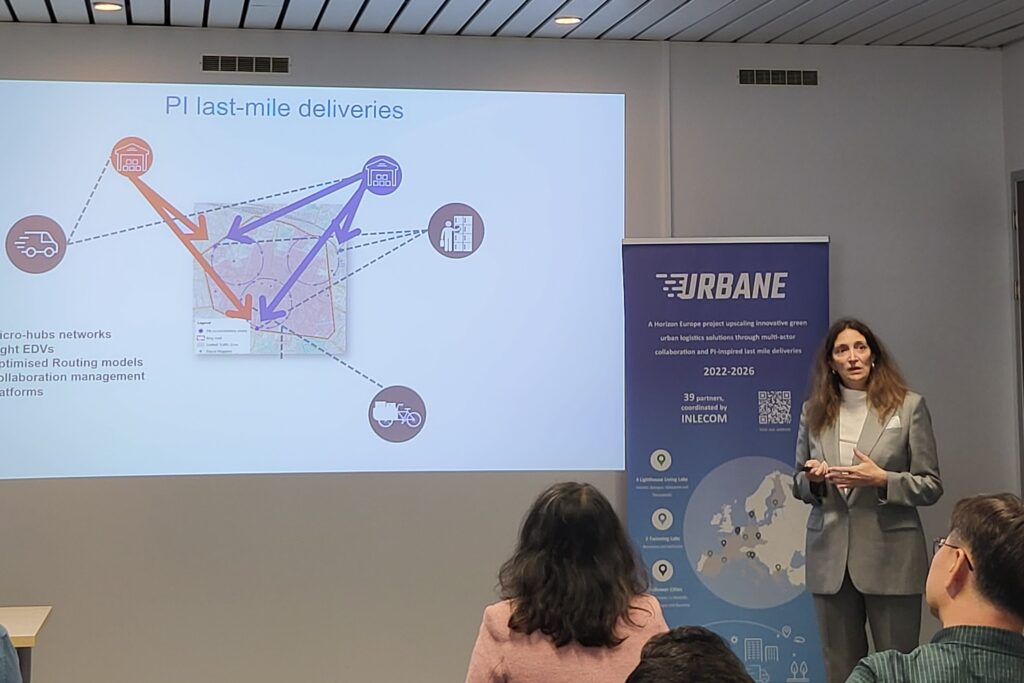
Urban logistics has emerged as the most tangible arena for PI implementation. Cities are under rising pressure from e-commerce growth, increasing delivery demand, congestion, emissions, and shrinking space for logistics activities. These constraints make them natural “early adopter” environments for PI principles such as modularity, openness and shared assets.
Across Europe, PI-aligned urban solutions are already being tested and deployed: shared micro-hubs, parcel lockers designed for multi-operator access, and consolidated freight flows that reduce unnecessary vehicle-kilometres and improve last-mile efficiency. The report highlights how EU-funded research and innovation has been essential in moving these concepts beyond theory into operational validation – notably through initiatives co-funded by URBANE, IKIGAI, DISCO and Shift2Zero.
Alongside these projects, the report also situates Physical Internet progress within a wider EU R&I landscape, referencing work that has supported the transition from traditional logistics nodes to PI-ready nodes and, increasingly, toward interconnected “systems of logistics networks”. Examples highlighted include BOOSTLOG (mapping the project landscape), as well as LessThanWagonLoad, MultiRELOAD, ePIcenter, FOR-FREIGHT and MAGPIE, and digital/network-oriented initiatives such as ICONET, COG-LO, PLANET, TRACE, SYNCHRO-NET and ADMIRAL.
The scaling barrier: interoperability is not optional
However, what works in a pilot or a single city does not automatically replicate elsewhere. The report underlines that scaling PI solutions depends critically on standardisation: common standards are needed for physical infrastructure, digital interfaces, data exchange and operational rules. A shared locker network, for instance, only becomes a true PI asset when multiple operators, platforms and cities can access it through harmonised technical and governance frameworks.
This logic also applies beyond the city. While urban logistics is currently the most advanced entry point, the PI is expected to expand across long-haul transport, intermodal operations, warehousing and cross-border freight networks. Urban pilots therefore matter not only for local impact, but because they provide learning environments on shared-asset governance, interoperable physical/digital interfaces, and multi-actor coordination – lessons that must be transferred upstream to avoid repeating fragmentation at larger scales.
Learning from Asia: maturity models and national roadmaps
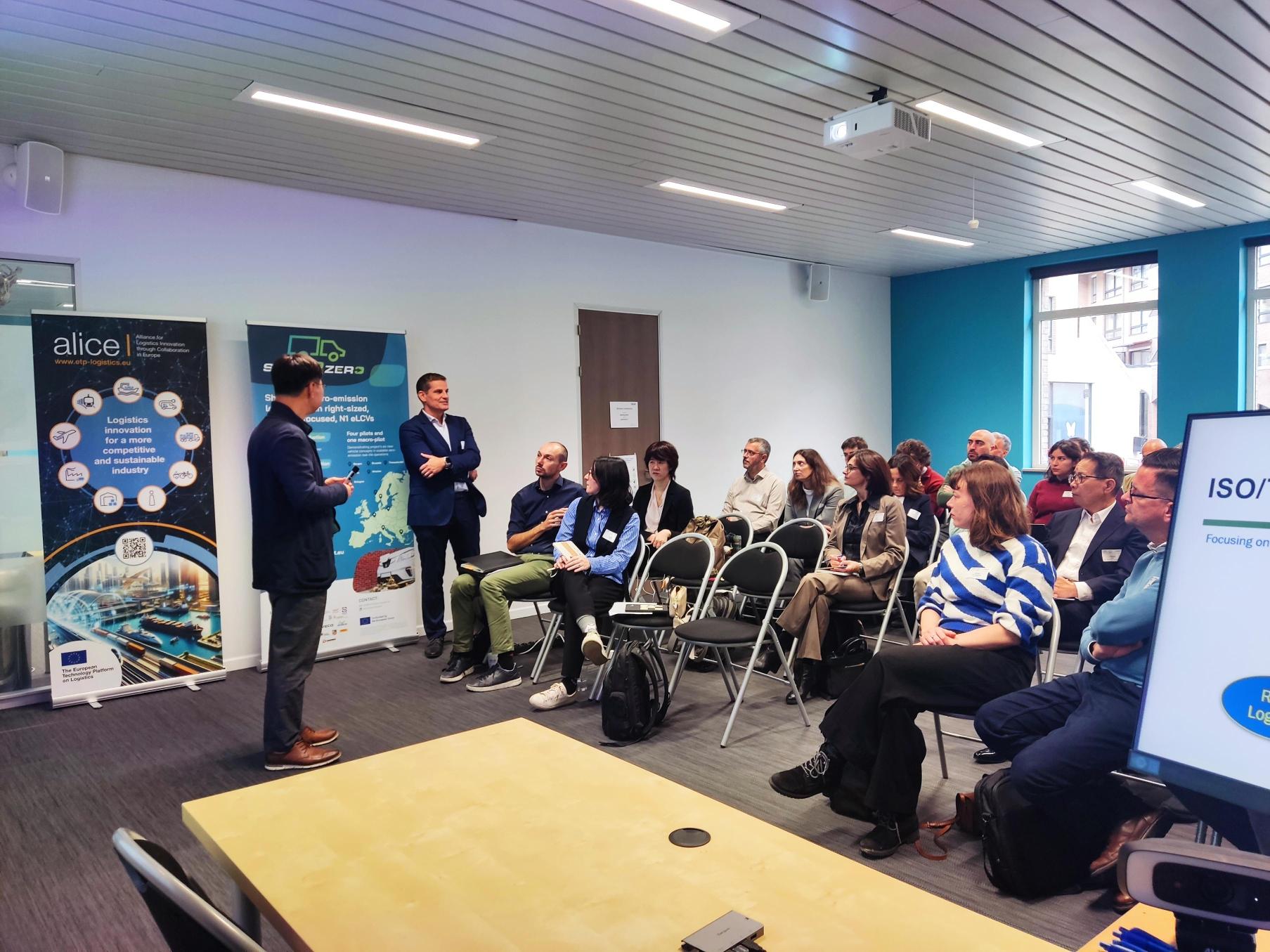
The workshop also brought strong insights from Japan and South Korea, where PI is being operationalised through structured frameworks.
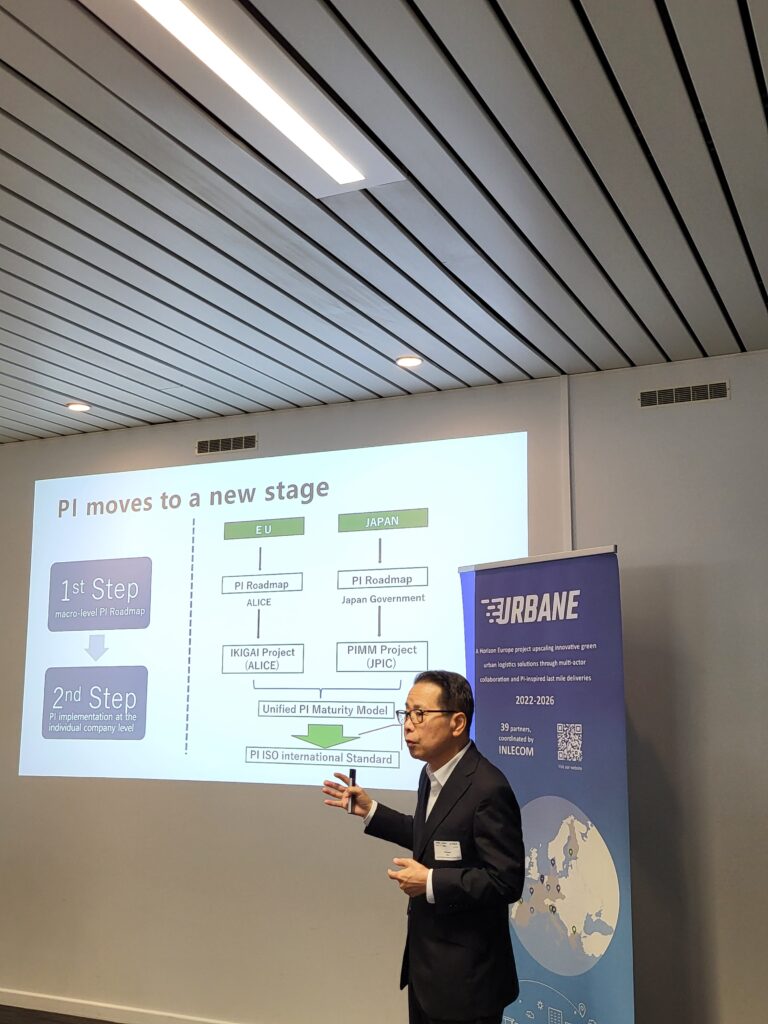
Japan’s Physical Internet Maturity Model (PIMM), developed by the Japan Physical Internet Centre, provides a practical way to translate PI roadmaps into measurable progress at company and ecosystem levels. It frames PI development across dimensions such as asset sharing, process synchronisation, data and digitalisation, and ecosystem formation, enabling benchmarking and targeted improvement rather than treating PI as an abstract end-state.
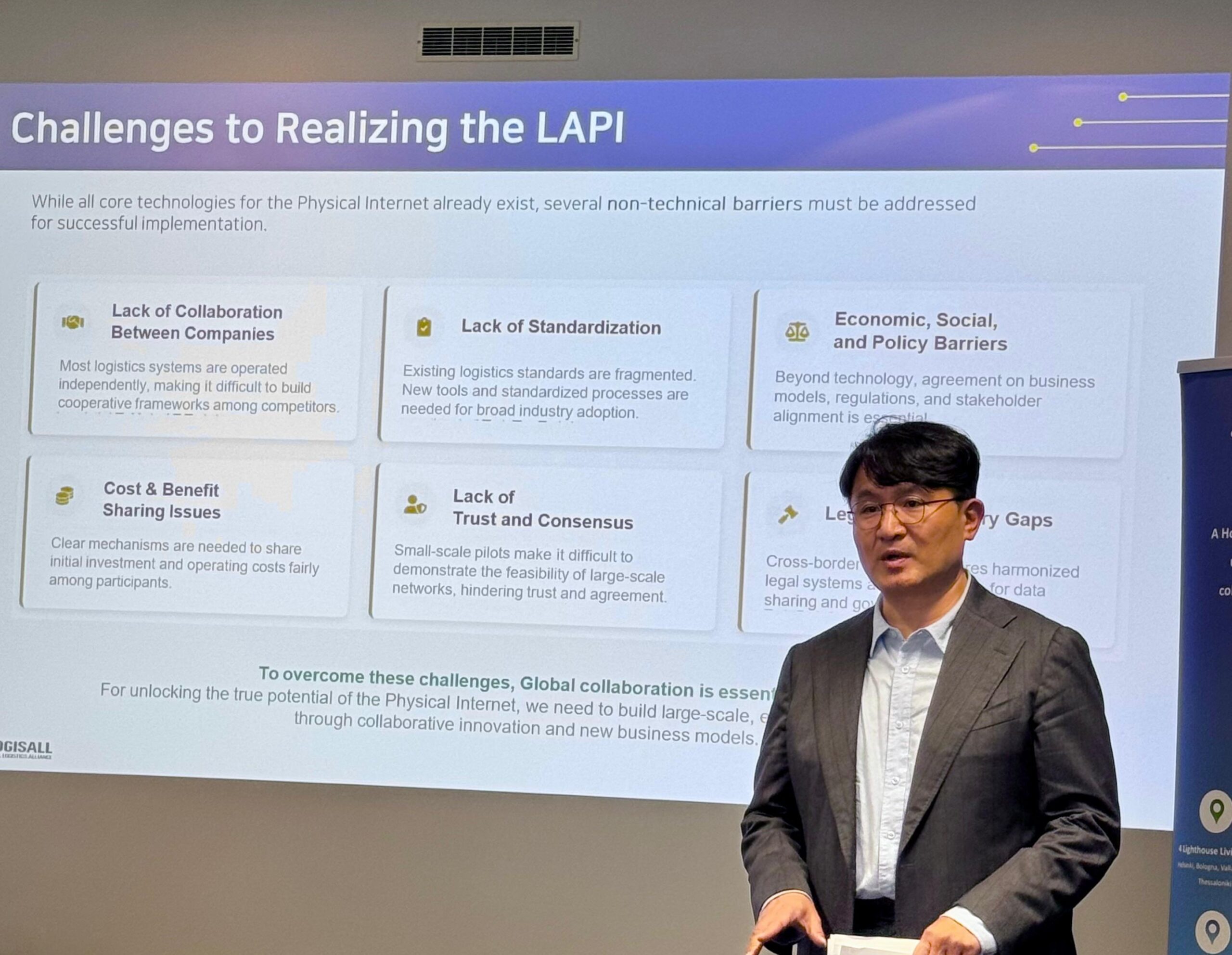
In South Korea, the Logistics Alliance for Physical Internet (LAPI) concept illustrates how reusable unit loads and shared logistics models can be scaled through a long-term roadmap that combines technical standards, collaborative operating models and governance mechanisms. Practical examples of reusable solutions also reinforce how unit loads and handling interfaces become building blocks for interoperability.
ISO and the “right” approach to standardisation
A key message of the report is that PI standardisation should not aim to create a single, all-encompassing “PI standard” covering everything at once. Logistics systems are too diverse, and technology is evolving too quickly. Instead, standard development should be selective, use-case-driven and iterative, targeting high-impact interoperability gaps that are demonstrably blocking implementation.
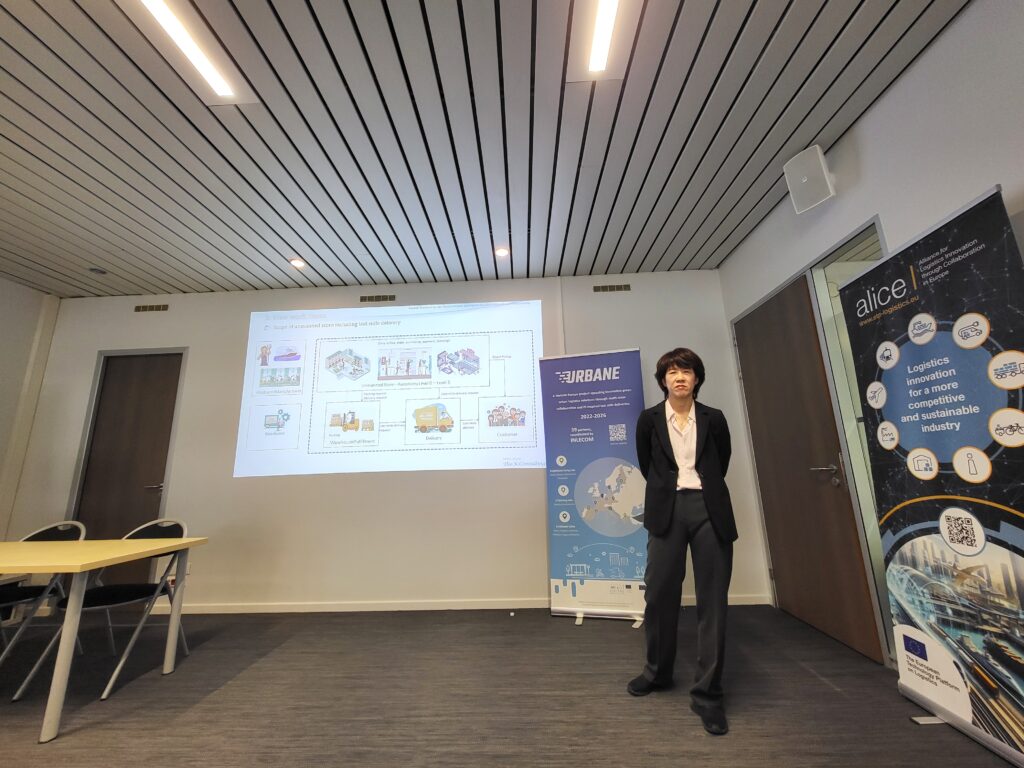
In this context, ISO has already advanced work relevant to PI deployment in urban logistics and retail logistics. The report describes ongoing standardisation activity around parcel locker systems, and broader initiatives connected to unmanned retail and last-mile delivery. These efforts matter because they address concrete interfaces where interoperability must be guaranteed for shared infrastructure and service-based logistics models to function safely and at scale.
What needs to happen next
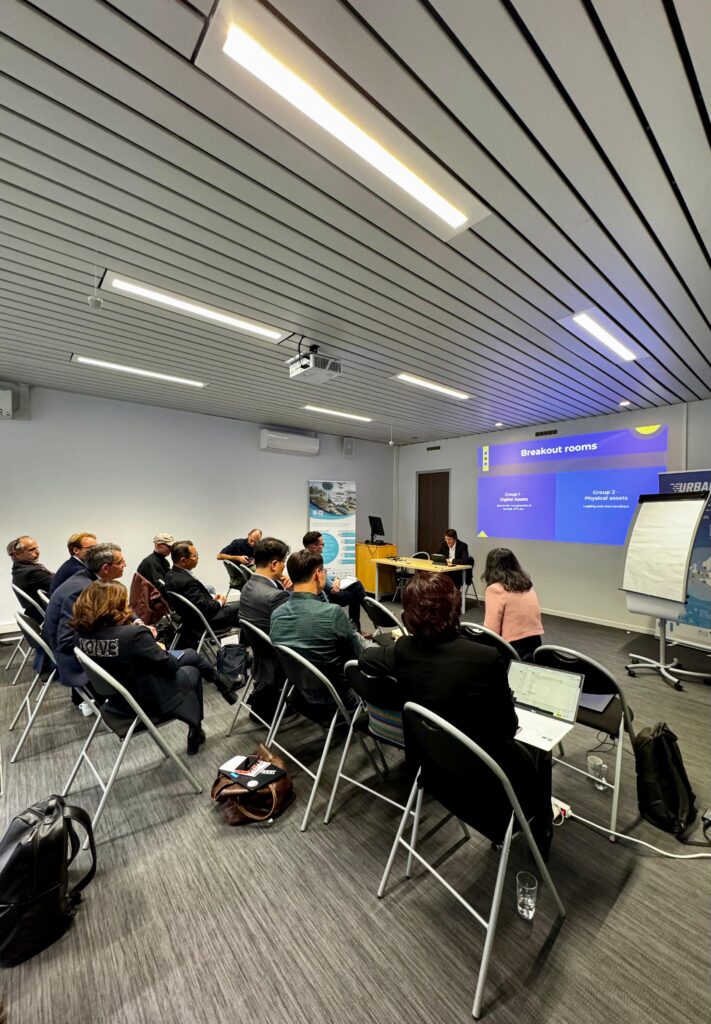
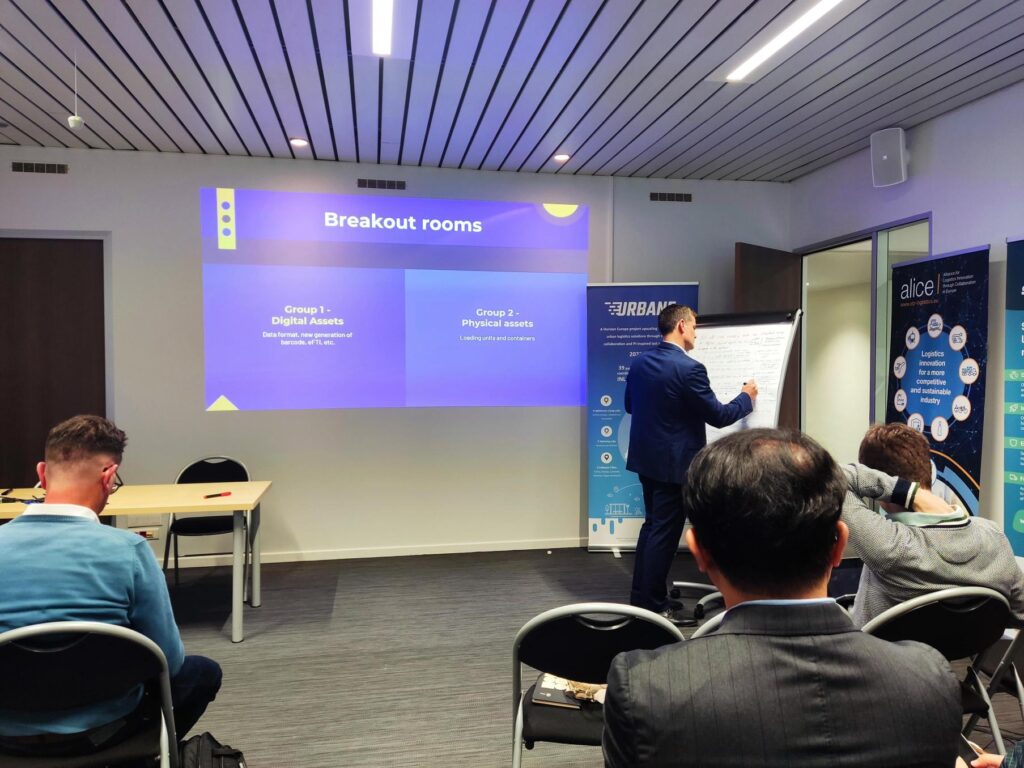
Across the workshop and plenary discussions, four practical directions stand out:
- Start small but strategic: prioritise targeted standards that unlock interoperability (e.g., modular load units, shared lockers, inter-hub procedures, key data interfaces).
- Connect R&I to standardisation early: projects should engage with standardisation bodies during development, not at the end – so operational evidence and technical maturity can flow into ISO/CEN processes.
- Implement in parallel with standardisation: deployment should not wait for “perfect” standards; pilots and early implementations generate the evidence needed to shape better standards.
- Keep monitoring and aligning efforts: continuous tracking of R&I activity and standardisation progress helps capture lessons, identify gaps early and avoid divergent approaches.
The Physical Internet is no longer only a roadmap ambition. Real solutions are emerging, especially in urban logistics, but scaling will depend on whether Europe can convert project outputs into interoperable building blocks and internationally recognised standards. ALICE’s role as a bridge between innovation, industry and standardisation remains central to making that transition happen.
The Report_22nd Oct workshop_final, including detailed figures, policy recommendations, and a complete record of the discussion, is available for download.