
Thursday, March 26th, 2026
At the Leaders in Logistics Summit 2026 in Brussels (17-18 March), ALICE actively contributed to discussions addressing the rapid transformation of the logistics sector, with a strong focus on e-commerce growth, sustainability imperatives, and the evolution of last-mile delivery systems. Bringing together key players from retail, parcel delivery, and logistics, the event highlighted the increasing pressure to deliver faster, more cost-efficient, and environmentally sustainable services, particularly in dense urban areas.
ALICE representatives and members engaged across multiple sessions, contributing to discussions that reflected a shared challenge: how to manage increasing delivery volumes while improving cost efficiency, service levels, and environmental performance in last-mile operations. Key topics included sustainable urban logistics, the uptake of innovative business models, the role of digitalisation (including eFTI and data spaces), and the optimisation of delivery networks in response to evolving customer expectations. These priorities closely align with ALICE’s work in EU-funded projects such as DISCO, GREENTURN, DELPHI and Shift2Zero, supporting the transition towards more efficient, collaborative, and sustainable urban logistics systems.
Sustainability was a central theme at the Summit, particularly on the Blue Stage session dedicated to “Smart sustainability: moving the dial with data analytics.”
Following a keynote by Meagan Fitzsimmons (GXO Logistics), the discussion moved into a panel exploring one of the most pressing challenges in logistics today: how to align sustainability goals with operational efficiency.
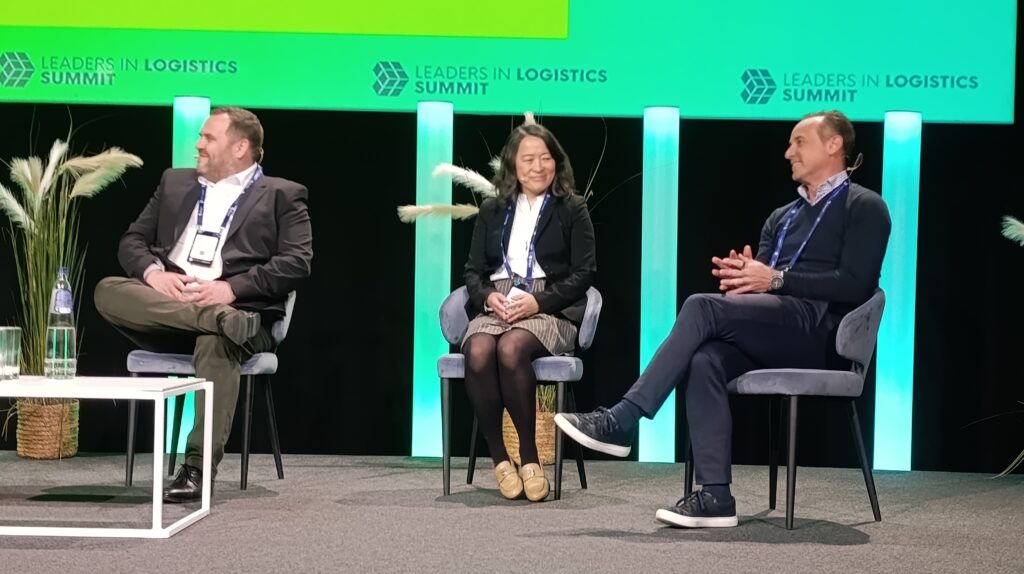
At the heart of this conversation was Andrea Condotta, who joined Karin Enzlin (bpost), Karen Leppard (GXO Logistics) and Luke Lloyd (International Post Corporation) to examine how “win-win” scenarios can be achieved across the supply chain.
The discussion covered a wide range of operational levers, from smart route optimisation and reducing failed deliveries to the role of out-of-home solutions and shared infrastructure in improving both efficiency and emissions performance. Panelists also addressed load optimisation strategies such as order consolidation and backhauling, as well as the growing importance of right-sized and consumer-friendly packaging.
A key focus was the transition towards greener fleets, from cargo bikes to electric heavy-duty vehicles, and how organisations can balance cost, efficiency and environmental impact. The conversation also highlighted the importance of modal shift, exploring how different transport modes can be better combined to deliver faster, more sustainable logistics.
Throughout the session, a clear message emerged: achieving sustainability targets is not about isolated actions, but about system-level optimisation, where data, collaboration and innovation enable both environmental and economic gains.
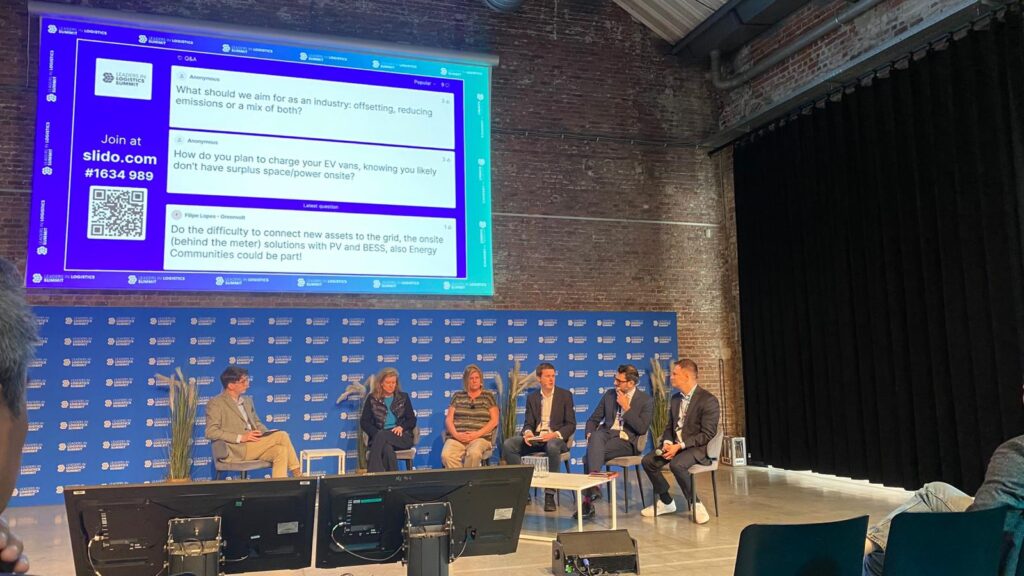
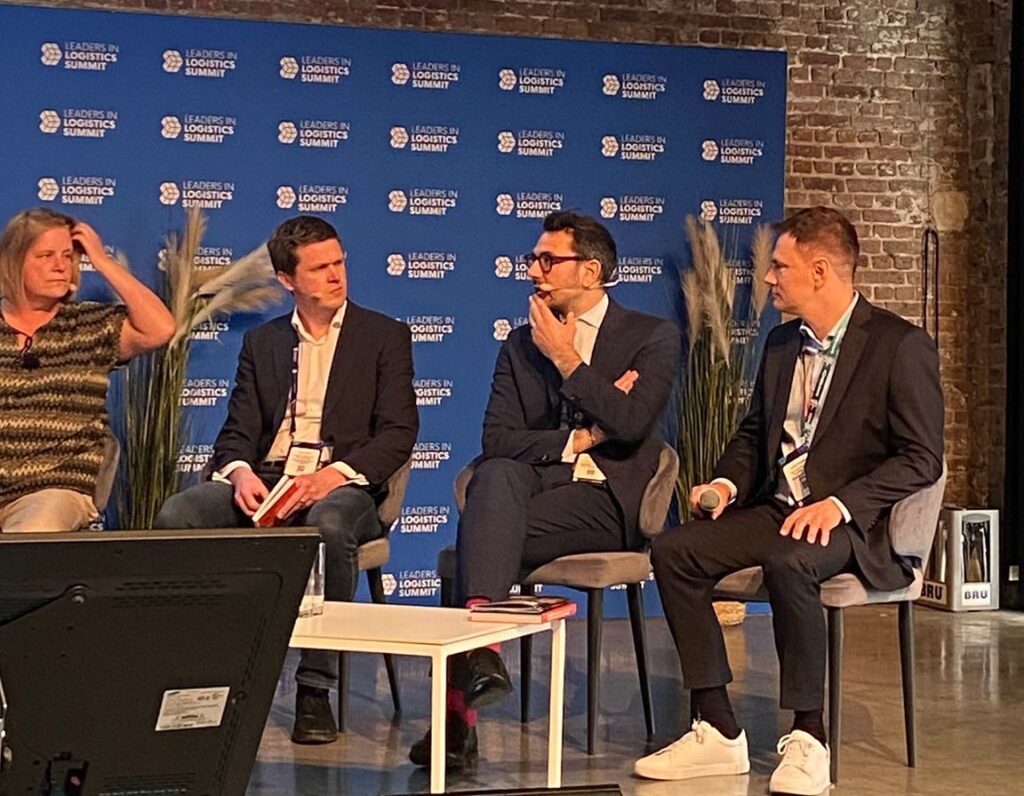
The workforce session on the Blue Stage, moderated by Paola Cossu, brought a grounded and human-centric perspective to logistics transformation.
Opening the session, Alexandra Weth (Swiss Post) challenged a common industry narrative: while digital transformation is widely discussed, the role of the workforce is often overlooked. She emphasised that transformation is not about technology replacing people, but about adapting roles and equipping employees with new skills, particularly through continuous learning and cultural change.
A key message was that employees are not resistant to technology itself, but often face a fear of becoming irrelevant, making it essential for organisations to combine human knowledge with digital systems and actively support their transition.
This perspective was complemented by Rohit Ghan (Tata Consultancy Services), who focused on how technology can assist workers throughout operations, from depot processes to last-mile execution.
The panel discussion, led by Paola Cossu, brought together Natalia Navin (Pos Malaysia) and Jesper Bang-Olsen (Beam), shifting the focus to the realities of daily operations. The discussion highlighted the pressure faced by last-mile workers, from increasing delivery volumes to urban constraints and performance expectations.
Real-life examples illustrated these challenges – rom delivery inaccuracies in dense urban environments to the high stress levels experienced by drivers, particularly during peak periods. The need for better tools, smarter systems and more accurate delivery processes emerged as critical to improving both efficiency and working conditions.
At the same time, speakers stressed that technology alone is not enough. Ensuring continuous communication with employees, staying connected to on-the-ground realities, and involving leadership directly in operations were highlighted as key practices to better understand and address workforce challenges.
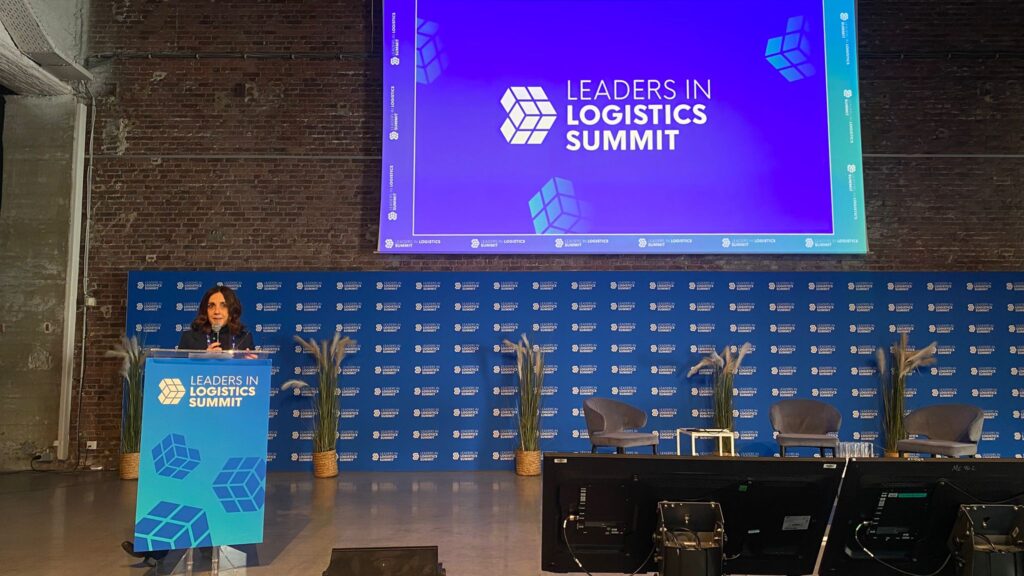
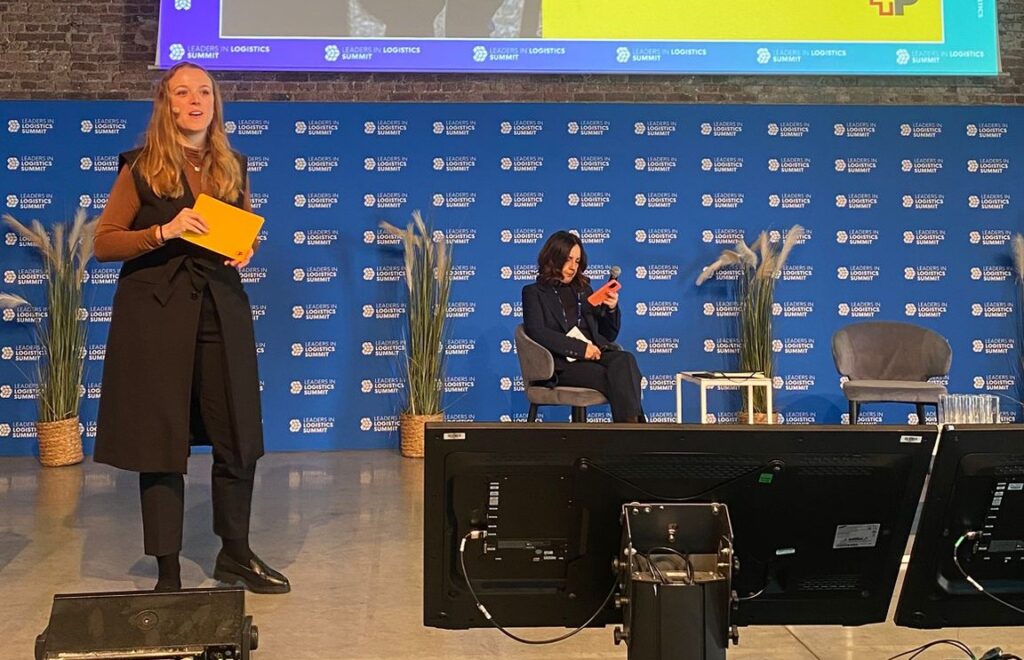
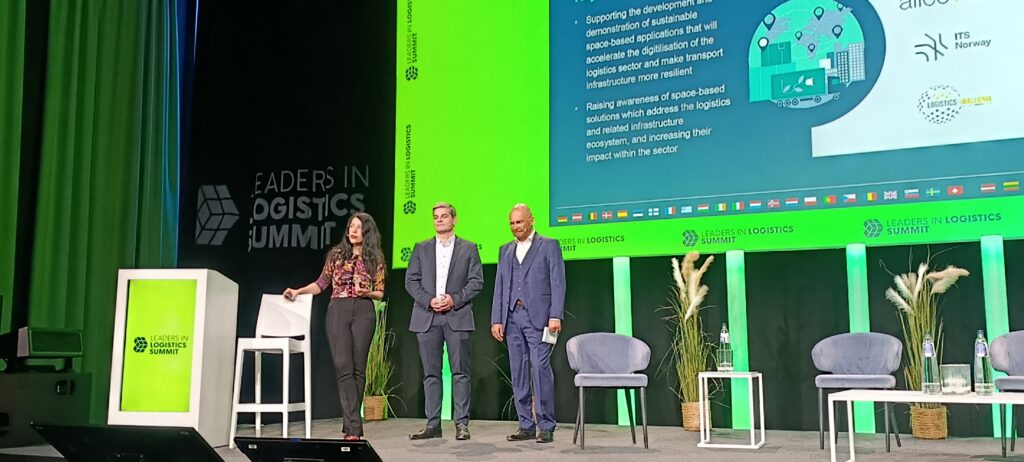
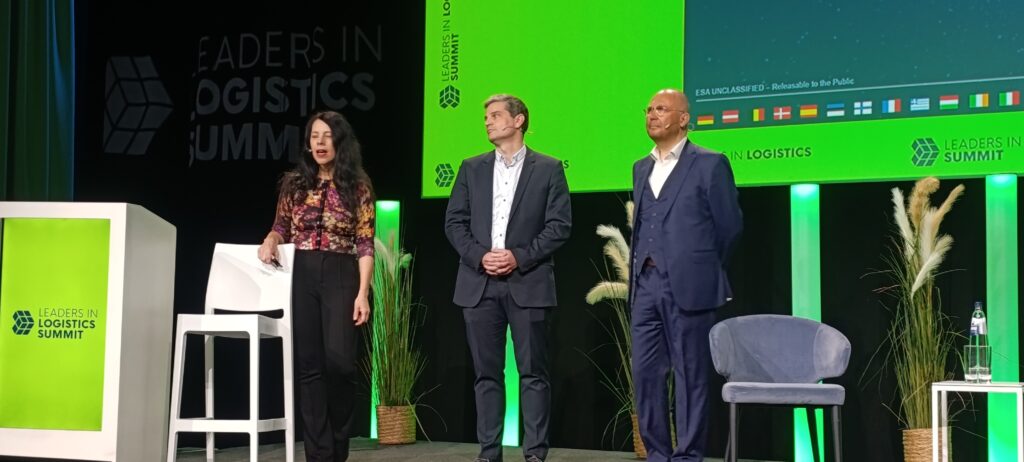
During the Digital Transformation session, the “Space for Logistics and Resilient Infrastructure” Task Force was officially announced, bringing together the logistics and space sectors to address key challenges in sustainability, efficiency and resilience.
Presented by Rita Rinaldo (European Space Agency) alongside Fernando Liesa (ALICE Secretary General) and François-Régis Le Tourneau (L’Oréal, Chair of ALICE), the initiative aims to leverage space-based data and technologies to improve logistics operations, from tracking and infrastructure planning to last-mile optimisation and supply chain resilience.
By connecting logistics stakeholders with space technology providers, the Task Force will support the development of practical, scalable solutions, while also consolidating industry needs and accelerating innovation aligned with Europe’s green and digital transition.
ALICE plays a key role in this initiative by mobilising its network and facilitating collaboration across ecosystems, helping ensure that emerging technologies are translated into real operational value for the sector.
Urban delivery challenges were addressed on the Green Stage, where speakers explored how cities can balance efficiency, accessibility and sustainability in increasingly complex environments.
Following contributions from Karin Enzlin (bpost) and Prof. Koen Mommens (VUB Mobilise) on zero-emission delivery, and Klemen Pavačič (Direct4.me) on accessibility constraints, the discussion turned to innovation as a key enabler of transformation.
In this context, Johan Leveque presented how urban logistics can be “supercharged” through innovation-driven approaches, highlighting the importance of combining new technologies with operational redesign.
His intervention emphasised the need to move towards more integrated and data-driven urban logistics systems, where solutions such as micro-hubs, alternative delivery modes and smarter planning can reduce congestion while improving service performance.
The session concluded with Simon Seeger (Bettermile), who further illustrated how data and analytics can help turn last-mile complexity into actionable insights.
Overall, the discussion reinforced that achieving sustainable urban logistics requires coordinated innovation across infrastructure, technology and policy, particularly in dense metropolitan areas.
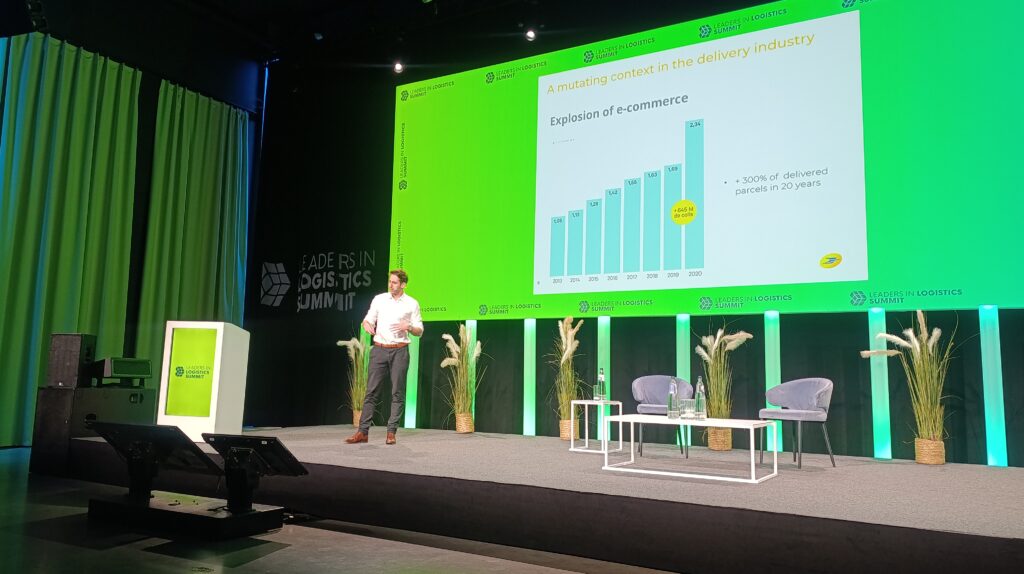
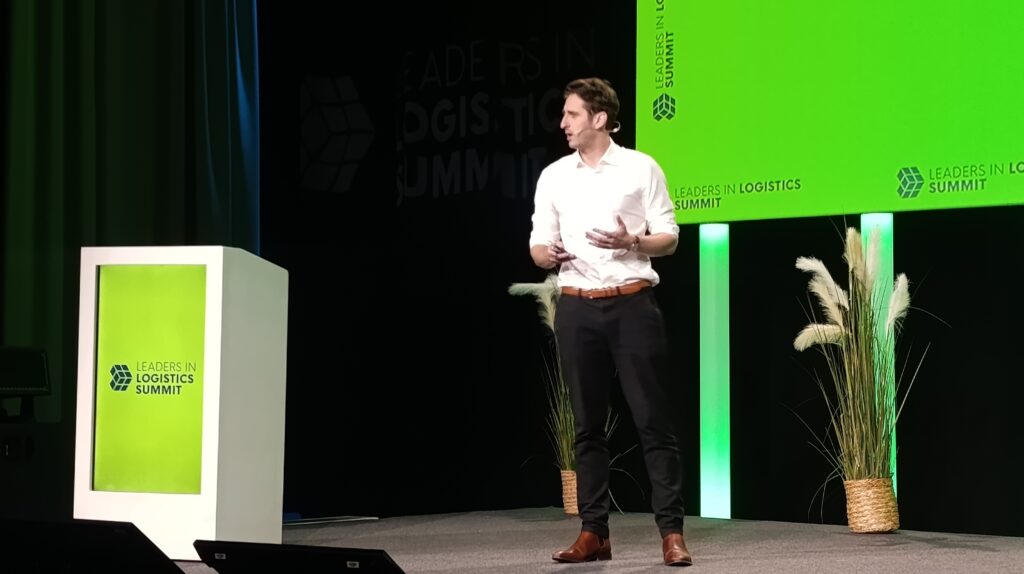
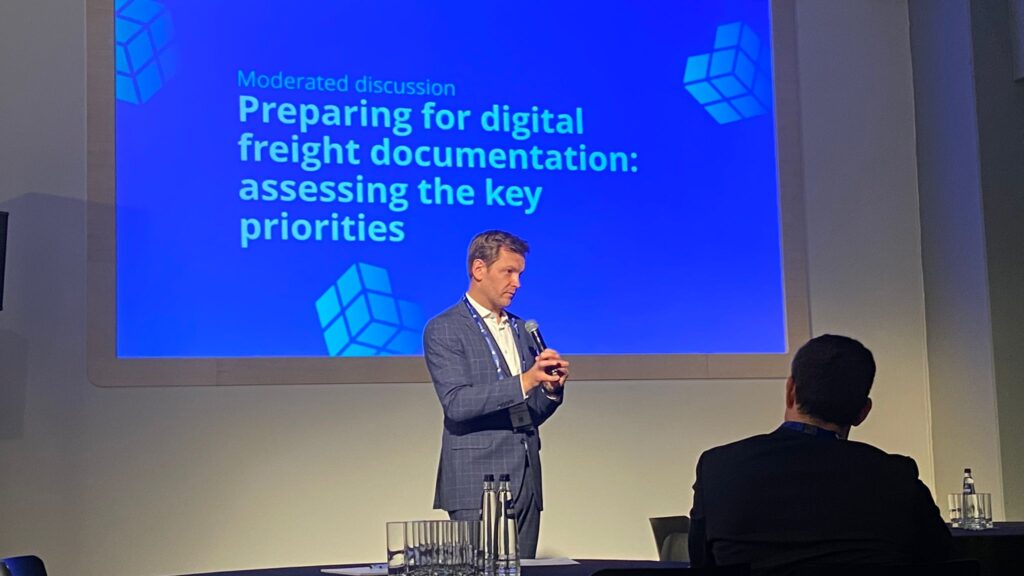
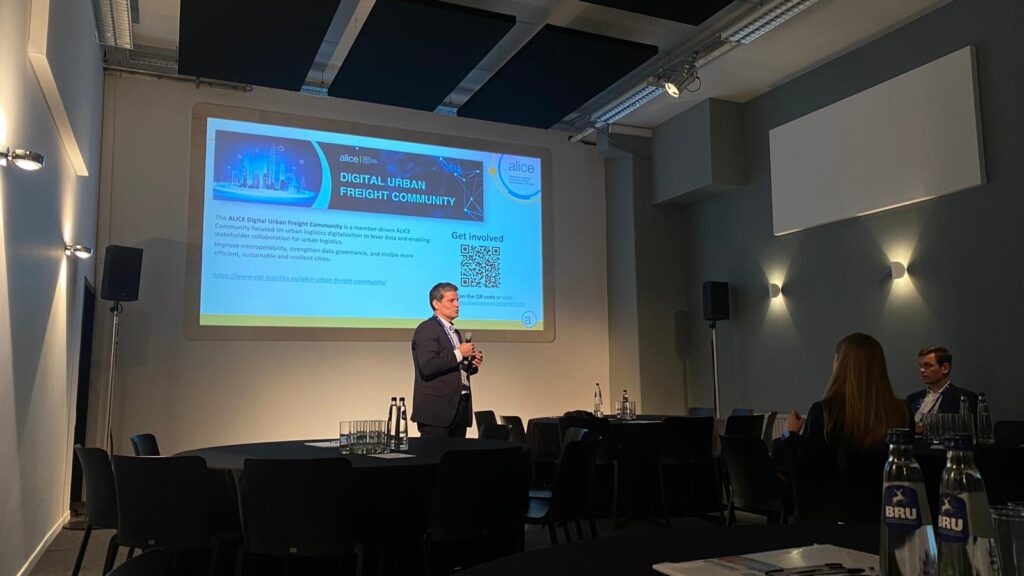
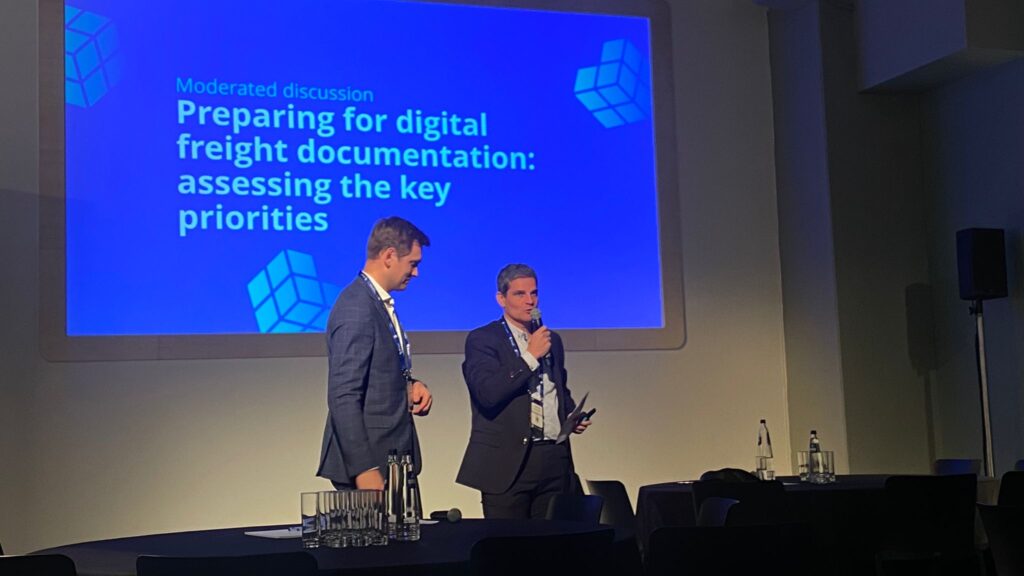
The transition towards electronic Freight Transport Information (eFTI) was explored in an interactive workshop introduced by Fernando Liesa, bringing together logistics companies and technology stakeholders to address upcoming regulatory changes.
With Villu Varjas (European Commission) outlining the framework, the session highlighted that from July 2027, EU Member States will be required to accept digital freight information, marking a major shift away from paper-based processes.
Beyond compliance, the discussion emphasised the broader opportunity: digitalisation can significantly reduce administrative costs, improve visibility and enable more automated processes across the supply chain.
Participants focused on practical implementation challenges, including data standardisation, system interoperability and integration with existing IT platforms, as well as the need to build trusted, secure data-sharing environments.
The participants exchanged their experiences and maturity in embracing the eFTI adoption. Questions such as the connection between e-CMR and e-FTI or the connection of e-FTI with other business to administration processes such as customs, Maritime Single Window, Ccunt Emissions EU or Combined Transport Directive were addressed.
Overall, the workshop highlighted that while eFTI represents a regulatory requirement, it also offers a strategic opportunity to modernise logistics operations and strengthen data-driven collaboration across the sector.
Fernando illustrated this opportunity with a concrete example from the retail sector: many large retailers work with numerous transport carriers; each may be using different e‑CMR solution providers. Today, retailers are confronted to the decision and need to create multiple technical interfaces, one per provider, even though each solution essentially delivers the same type of freight information and exchange across, retailer, goods manufacturer and carrier. This fragmentation creates unnecessary integration costs and slows down adoption. In a truly interoperable eFTI environment, aligned with the long‑term vision of the Physical Internet, companies should only need to integrate once. Any certified e‑CMR or eFTI provider would then be able to exchange data seamlessly, allowing retailers, manufacturers and carriers to collaborate without additional technical barriers. Such a framework would dramatically accelerate uptake, reduce administrative overhead and support a scalable, eFTI platform vendor‑agnostic ecosystem.
Last-mile logistics took centre stage in a session focused on how to build more efficient, flexible and data-driven delivery networks.
Following keynotes by Simone Oloman (Need It For Tonight) and An de Wispelaere (PTV Logistics), the panel brought together industry perspectives from Sven Kukemelk (Omniva), Gregor Hueber (Österreichische Post), Themistoklis Meletiou (Kotsovolos) and Yanying Li.
The discussion addressed the growing complexity of last-mile operations, driven by shifting consumer expectations, increasing demand for convenience and the rise of out-of-home delivery solutions. A key focus was how to design delivery networks that can respond dynamically to these changes while maintaining efficiency.
Topics ranged from fleet optimisation – balancing bikes, vans and electric vehicles, to the role of predictive analytics in demand forecasting and network planning. Speakers also explored how moving from fixed to dynamic routing, combined with real-time visibility and smarter use of data, can unlock significant performance improvements.
In this context, Yanying Li highlighted the importance of Out-of-Home (OOH) delivery, micro-hubs inside cities and shared logistics infrastructure. Yanying cited key principles from the Expert Group Urban Mobility (EGUM) recommendations on urban logistics, such as planning parcel lockers should be an integrated part of the active mobility plan; parcel lockers should be shared and accessible by different operators; parcel lockers should be located in existing infrastructure, such as shopping centres, supermarkets, public transport interchanges.
The discussion also addressed the integration of delivery and returns flows, as well as the role of emerging technologies, from handheld tools to AI-powered systems, in improving driver performance and overall network efficiency.
Overall, the session pointed towards a future where last-mile logistics becomes increasingly automated, intelligent and adaptive, capable of responding to both operational constraints and evolving customer needs.
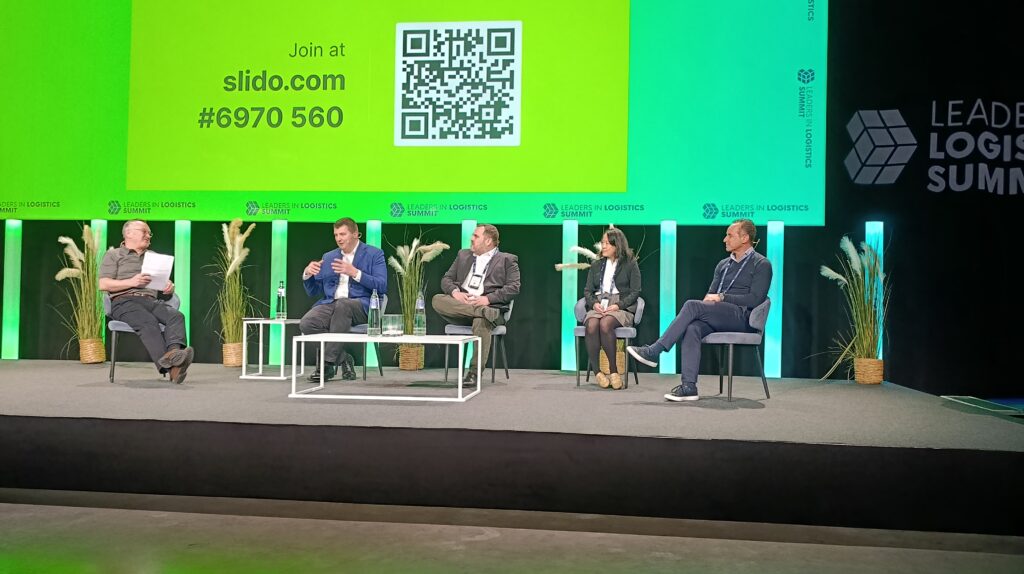
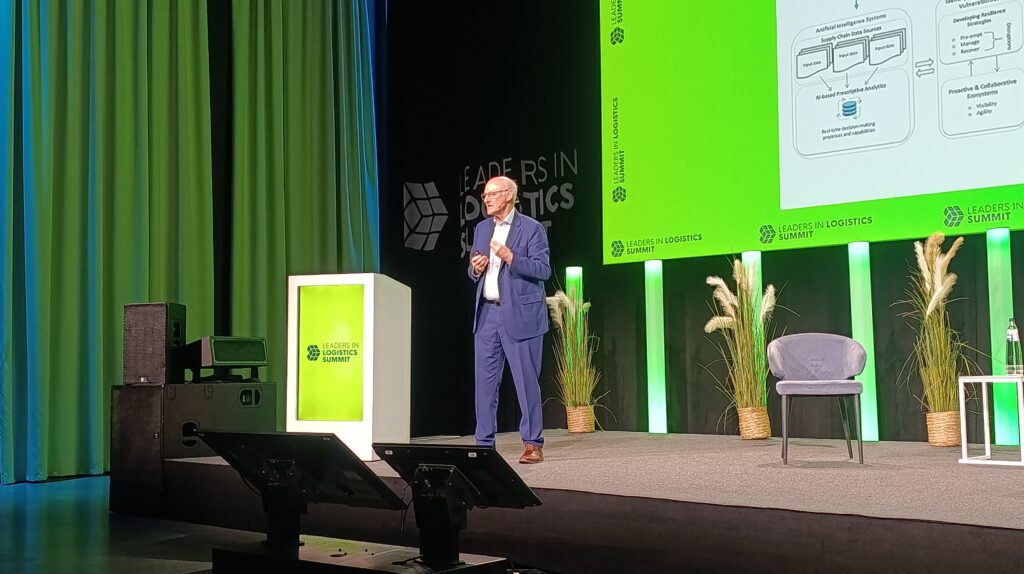
The Summit concluded with a session on resilience, where speakers including Prof. Alan McKinnon (Kühne Logistics University) and Eric Ballot (MINES ParisTech) explored how supply chains must evolve to remain robust, connected and sustainable in an increasingly uncertain environment.
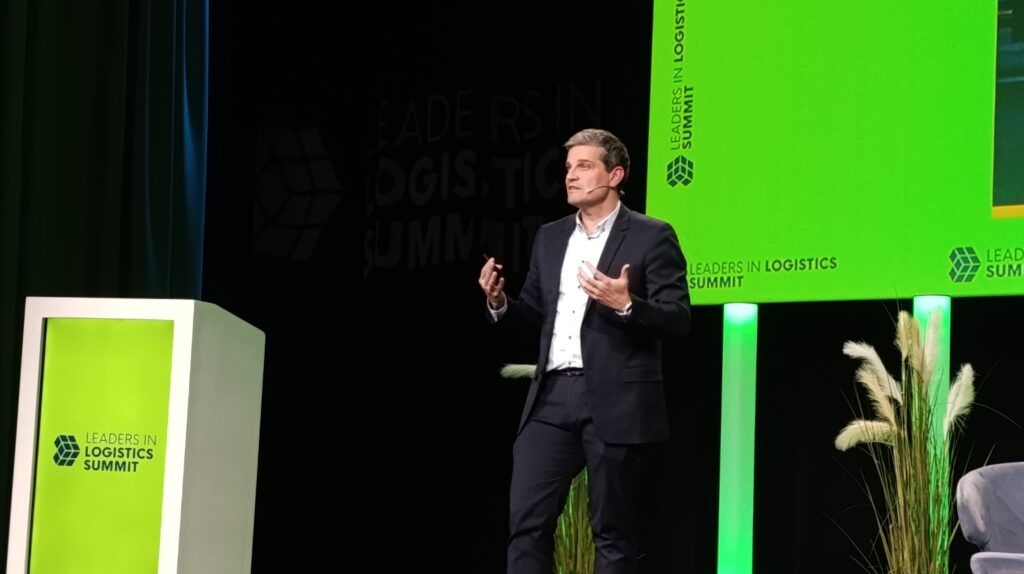
In the closing keynote, Fernando Liesa focused on a key challenge for the sector: bridging the gap between innovation and real-world implementation.
He highlighted that while many solutions already exist, logistics must move faster to scale them, particularly in response to major systemic pressures such as decarbonisation, resource scarcity, disruption and digitalisation.
A central message was that resilience depends on being ahead of the innovation curve, rather than reacting to change. This requires companies to view transformation not as a constraint, but as an opportunity to strengthen competitiveness and long-term viability.
The session reinforced that achieving resilient supply chains will depend on collaboration across the ecosystem, as well as the ability to translate innovation into practical, scalable solutions.
Across all sessions, a consistent message emerged: logistics is no longer lacking innovation – the challenge now lies in scaling it effectively.
From digital freight documentation and AI-driven operations to sustainable urban logistics and workforce transformation, the sector is facing multiple, simultaneous transitions. These require not only technological progress, but also collaboration, standardisation and new ways of working.
Discussions throughout the Summit highlighted that success will depend on the ability to:
These efforts are reinforced through ALICE’s active involvement in collaborative projects, including DISCO, GREENTURN, DELPHI and Shift2Zero, which help translate innovation into practical solutions.
ALICE’s presence across the event reflected its role as a connector between research, industry and policy, supporting the development of solutions that are not only innovative, but also practical, scalable and aligned with Europe’s green and digital transition.