Friday, June 5th, 2026
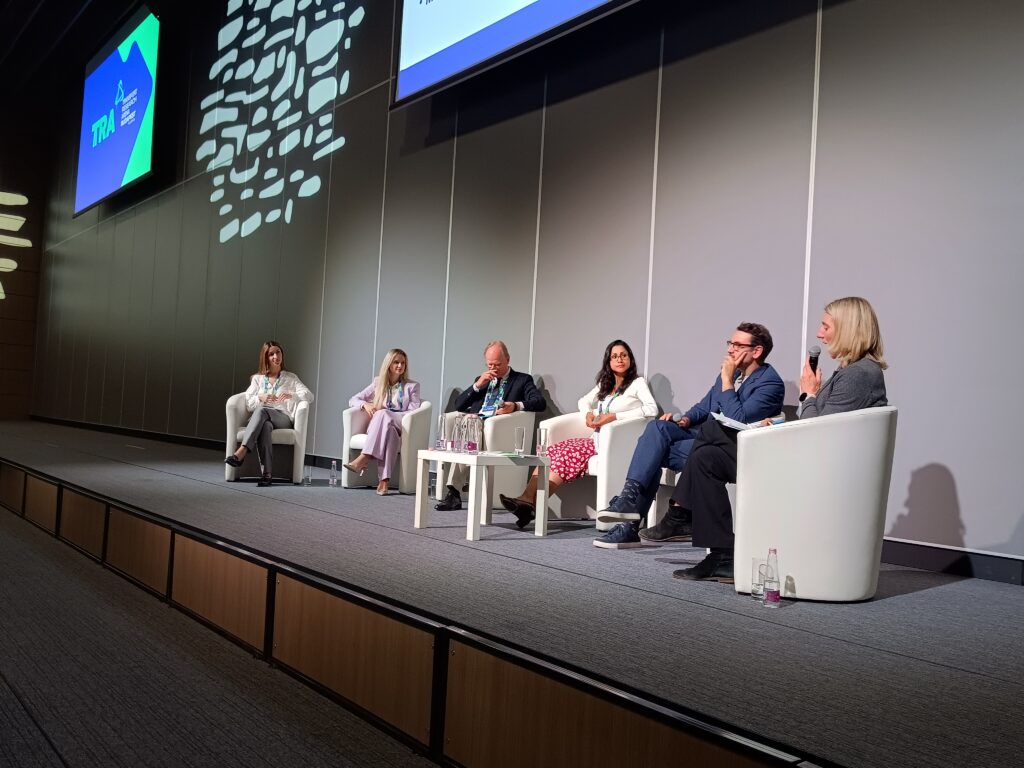
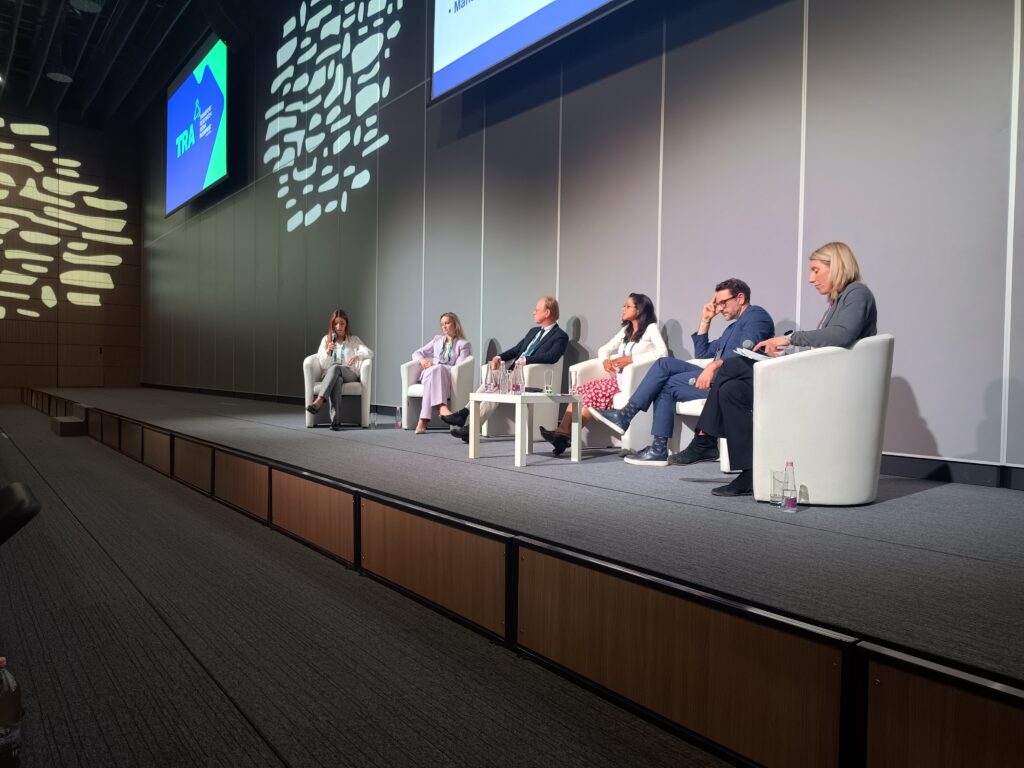
How can Europe accelerate the transition towards zero-emission heavy-duty road transport while maintaining competitiveness, operational efficiency and logistics performance? This question was at the centre of discussions during Special Session 25 at Transport Research Arena 2026, bringing together representatives from the European Commission, industry, logistics, research and innovation projects to assess the current state of zero-emission heavy-duty vehicles (ZE-HDVs) and identify priorities for the next phase of deployment.
The session combined perspectives from the Joint Research Centre (JRC), ALICE, ERTRAC, OEMs, logistics operators and projects from the AEVETO Cluster, including ZEFES. Discussions confirmed that technical progress in zero-emission trucks and charging systems has accelerated significantly in recent years. However, deployment across Europe remains below the pace required to meet European decarbonisation objectives.
A common message emerged throughout the session: the next challenge is no longer proving that zero-emission trucks can work, but making vehicles, charging infrastructure, energy systems, digital tools, logistics operations and regulation function together as a scalable ecosystem.
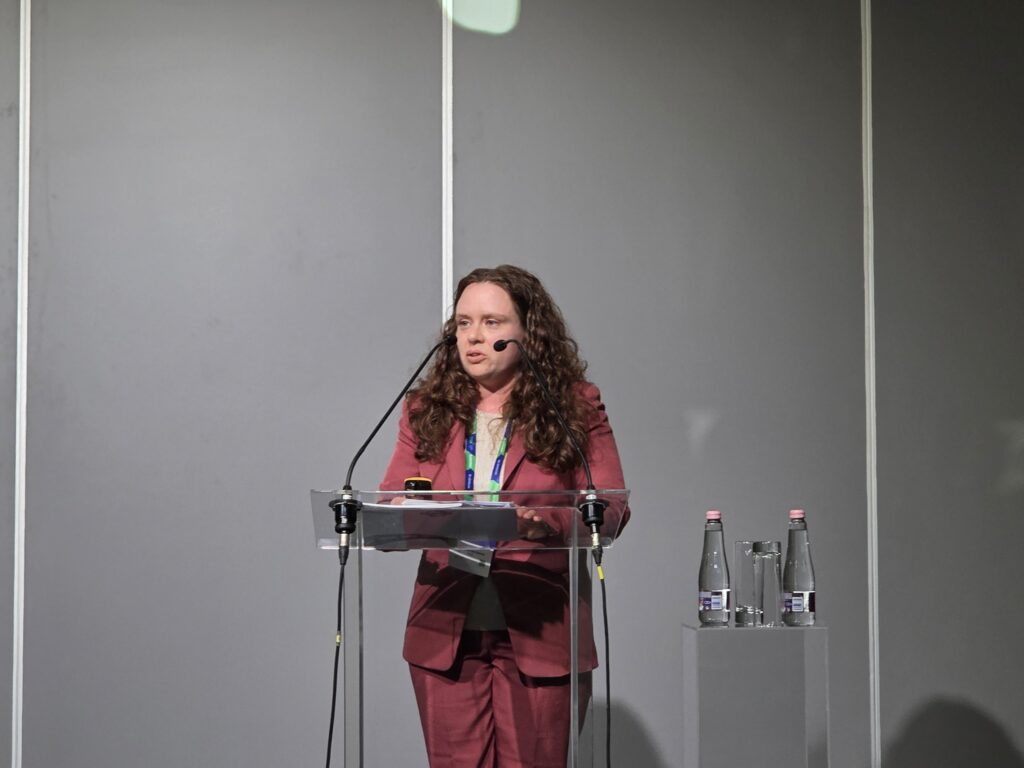
Representing ALICE, Stefanie Van Damme highlighted that the green and digital transition in road freight is already underway, but scalable deployment requires much more than working vehicles and infrastructure alone.
According to the ALICE contribution, road freight innovation depends on strong interdependencies between logistics operators, vehicle manufacturers, infrastructure providers, energy actors, digital service providers and regulators. Technologies therefore need to be developed from operational use cases and market needs rather than being pushed to the market without a clear industry need that is solved or a clear deployment pathway.
The presentation linked this ecosystem approach to the ERTRAC Long Distance Freight Transport roadmap, CCAM initiatives and the future Automotive Partnership SRIDA. A key conclusion was that innovation must move from “technology push” towards “market pull”, focusing on deployment-ready use cases capable of triggering private investment and large-scale operational uptake.
This perspective was reinforced throughout the panel discussion. Andrea Condotta (Gruber Logistics) explained that electrification is not simply a vehicle technology issue, but fundamentally changes how logistics operations are planned and executed. Early deployment experiences at Gruber Logistics showed that integrating electric trucks requires adapting operational models, routes, shipment planning and transport management systems. While vehicle ranges have improved significantly, deployment remains concentrated in repetitive A-to-B flows rather than the flexible operations required by the broader freight market.
Similarly, Manasa Sridhar (IVECO) described the current phase as a transition from technology validation towards industrial ecosystem integration. From the OEM perspective, the challenge is no longer only developing the “best” zero-emission technology, but integrating transport, energy, automation and digitalisation into coherent operational ecosystems supported by stable policy frameworks.
A major focus of the session was the gap between successful demonstrations and large-scale deployment.
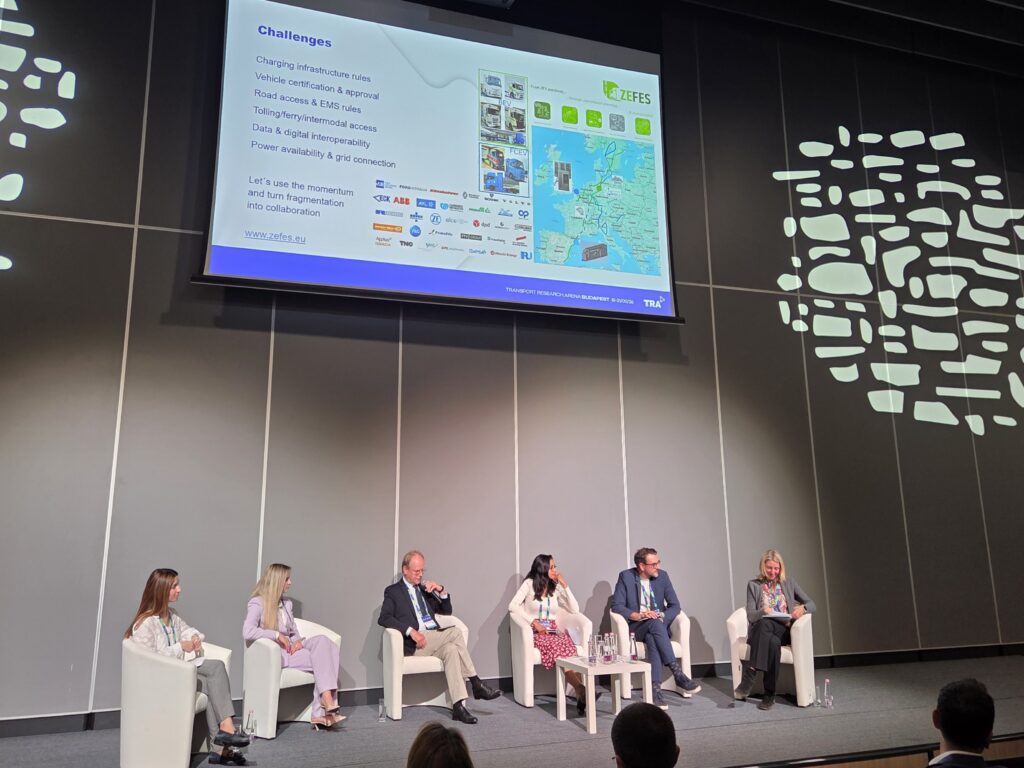
Presenting lessons from the ZEFES project, Ben Kraaijenhagen (VUB) explained that vehicles and charging technologies are increasingly proving their technical reliability in real operations. However, cross-border deployment remains highly challenging due to fragmented rules, permitting procedures and infrastructure readiness across European countries and regions.
The discussion repeatedly returned to the importance of harmonisation, interoperability and coordination between actors. Fragmented approval procedures, inconsistent implementation of regulations and differences in energy prices between countries continue to create major uncertainty for logistics operators and infrastructure investments.
Infrastructure readiness was identified as another major bottleneck. While battery-electric trucks were broadly recognised as the most mature technology pathway, speakers stressed that megawatt charging deployment, grid integration and energy system readiness remain critical challenges for large-scale long-haul operations.
Irina Maric (AIT) highlighted that battery-electric trucks have made significant progress through higher battery capacities, faster charging and improved vehicle efficiency. At the same time, battery costs, charging infrastructure, thermal management and battery degradation under high-power charging remain important R&I priorities. Hydrogen fuel-cell solutions were also discussed as potentially relevant for certain long-distance applications, although currently less mature than battery-electric technologies in Europe.
The session also highlighted the increasing role of digitalisation and operational data in enabling scalable zero-emission logistics. Digital twins, predictive energy management, AI-enabled route optimisation and real-time operational replanning were identified as critical tools for improving efficiency and reducing total cost of ownership. Speakers stressed that trusted data sharing and interoperability must increasingly be treated as core deployment infrastructure for future freight transport systems.
A recurring theme throughout the session was the need to strengthen the connection between European R&I projects and market deployment.
Speakers highlighted that Europe has already demonstrated strong technological capabilities through projects and pilot operations. The next challenge is ensuring that these solutions scale into commercially viable and operationally integrated freight systems.
From the European Commission perspective, Beatriz Ildefonso stressed that Horizon Europe and the 2ZERO partnership remain central instruments for supporting innovation and deployment. She highlighted the importance of synchronising vehicle technologies, charging infrastructure, digital tools and operational integration within real logistics systems. Future R&I calls will increasingly focus on large-scale demonstrations capable of addressing remaining deployment barriers beyond the vehicle itself, including grid integration, stakeholder cooperation and business model viability.
The discussions also reinforced the importance of reducing the “valley of death” between successful research results and industrial uptake. Participants stressed that future R&I must focus more strongly on deployment-ready use cases, operational integration, harmonised cross-border procedures and stronger collaboration between startups, industry, logistics operators and infrastructure actors.
A strong consensus emerged around several priorities for future action:
The session concluded that Europe has now moved beyond asking whether zero-emission heavy-duty vehicles can work. Demonstrations increasingly prove that vehicles and charging systems are technically viable. The next phase will depend on Europe’s ability to scale deployment through ecosystem integration, regulatory harmonisation, digital coordination and operational transformation across the logistics sector.