Wednesday, March 18th, 2026
PRESS RELEASE
The European Space Agency (ESA) has launched the “Space for Logistics and Resilient Infrastructure” Task Force, an initiative designed to help European industries harness space technologies to address sustainability, efficiency and resilience challenges in logistics.
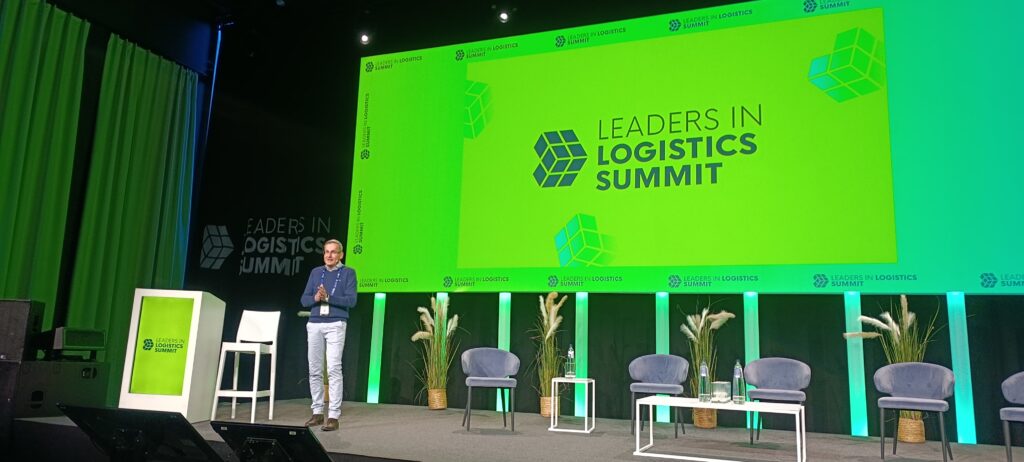
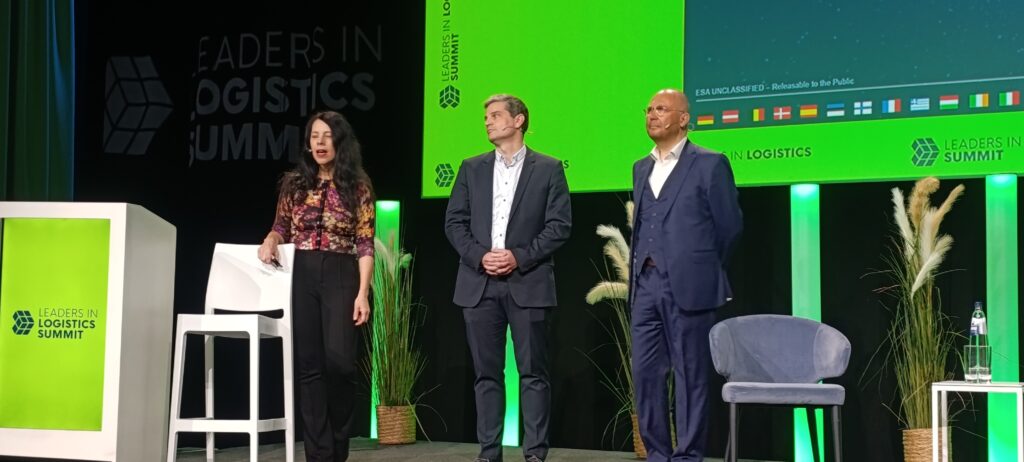
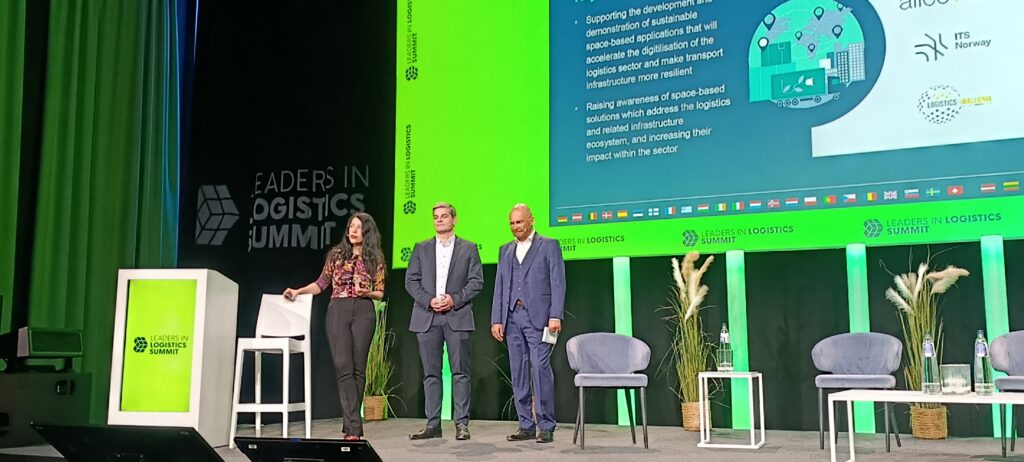
The Task Force was officially announced during the Leaders in Logistics Summit in Brussels on 18 March 2026.
At a time when logistics operators face increasing pressure to decarbonise operations while ensuring supply chain resilience in the face of climate and geopolitical risks, space-enabled data and services offer new opportunities to strengthen decision-making and infrastructure management across transport networks.
The initiative is driven by ESA Business Applications and Space Solutions (BASS), which has identified the logistics sector as a strategic domain where space technologies can deliver tangible value.
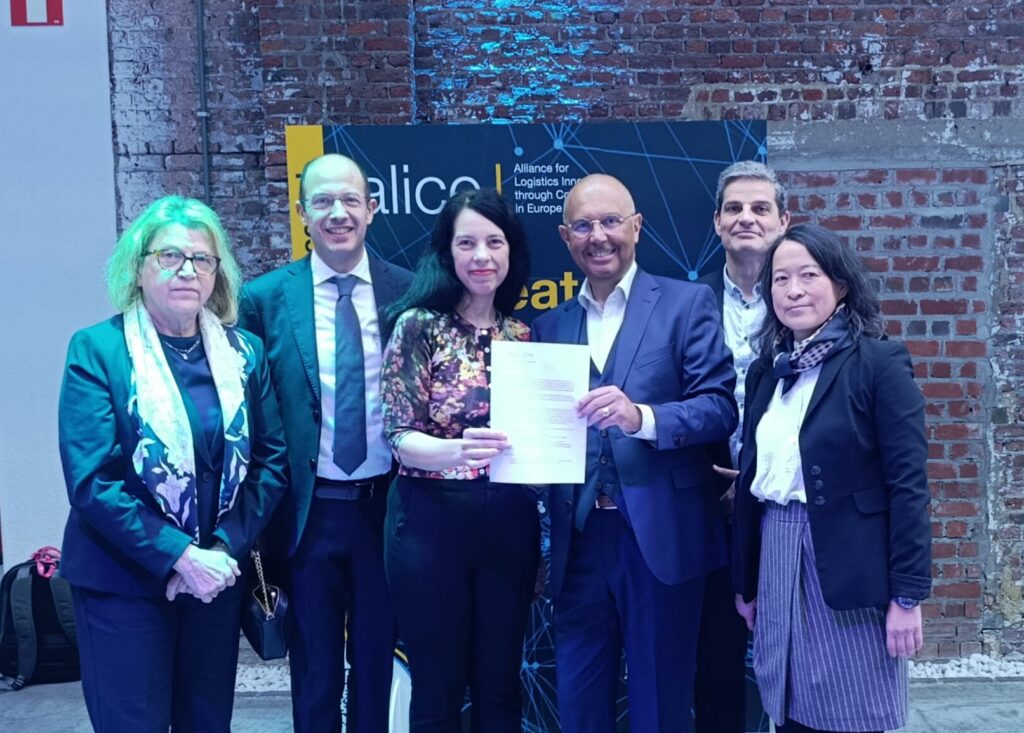
Through this Task Force, ESA aims to bring together logistics stakeholders and space technology experts to develop innovative and commercially sustainable solutions that integrate space and non-space data.
The Task Force already includes several European partners, who are also ALICE members: ITS Norway, Limowa Finland, Wallonia Belgium, VIL Belgium, and the Port of Valencia, with additional organisations expected to join.
Within the Task Force, partners will address a range of logistics challenges where space technologies can play an important role, including:
The Task Force will also consolidate stakeholder needs and requirements while supporting the development of innovative solutions funded through ESA BASS programmes.
The initiative aims to strengthen collaboration between the logistics ecosystem and the European space sector, while supporting the development of solutions aligned with international regulatory frameworks.
Safety, resilience and security of critical infrastructure and supply chains will remain central themes, with the Task Force providing a platform for dialogue, collaboration and scaling up solutions powered by space data and technologies.
ESA’s objective is to support the green and digital transition of the logistics sector, promoting innovation and accelerating the uptake of operational solutions close to market.
Enrico Spinelli, Applications Engineer at ESA leading the initiative, commented:
“The Task Force represents a unique opportunity to showcase the vital role of space assets in the digital and sustainable transformation of the logistics sector. By promoting with our partners the development and validation of new and operational solutions based also on space technologies, we can support innovation and collaboration at the core of this transformation. Embracing new technologies and adapting to evolving regulations will shape the future of logistics throughout Europe.”
ALICE has played a key role in supporting the establishment of the Task Force by mobilising its network and facilitating dialogue between logistics stakeholders and the European space sector.
Dr. Fernando Liesa, Secretary General of ALICE, highlighted:
“ALICE is proud to have instrumentally contributed to the establishment of this Task Force, leveraging our network and that of our members, including ports as well as regional and national clusters. Space-based assets and technologies offer a significant opportunity to develop solutions that address the sector’s challenges, needs, and emerging opportunities. By aligning space-enabled applications across ports and hubs, transport networks, and wider supply chain operations, this initiative lays a strong foundation to support the sector’s green and digital transition. We look forward to welcoming partners who wish to share their needs and opportunities, as well as those developing space-based solutions.”
François-Regis Le Tourneau, Chair of ALICE, added:
“Space technologies are becoming increasingly relevant for the logistics sector, particularly in improving visibility, resilience and efficiency across complex supply chains. The launch of this Task Force creates an important platform for collaboration between the logistics community and the space sector, helping accelerate the development of practical solutions that support Europe’s sustainable and digital transition.”
The initiative represents an important step in strengthening cooperation between space technologies and logistics innovation, helping Europe develop more resilient, efficient and sustainable supply chains.