Wednesday, December 10th, 2025
From 4 to 5 November 2025, ALICE took part in the Smart City Expo 2025 – the world’s premier event for smart urban solutions, bringing together global leaders, innovators, and policymakers to explore the latest advancements in urban technology, sustainability, and digital transformation. Held annually, the expo showcases cutting-edge projects, AI-driven mobility, circular economy initiatives, and data-driven governance models aimed at creating more efficient, inclusive, and resilient cities. The event serves as a catalyst for turning visionary ideas into actionable strategies for urban development worldwide.
ALICE was represented by Yanying Li (Head of Programmes and Knowledge Management) and Pierre Roberts (Project Support).
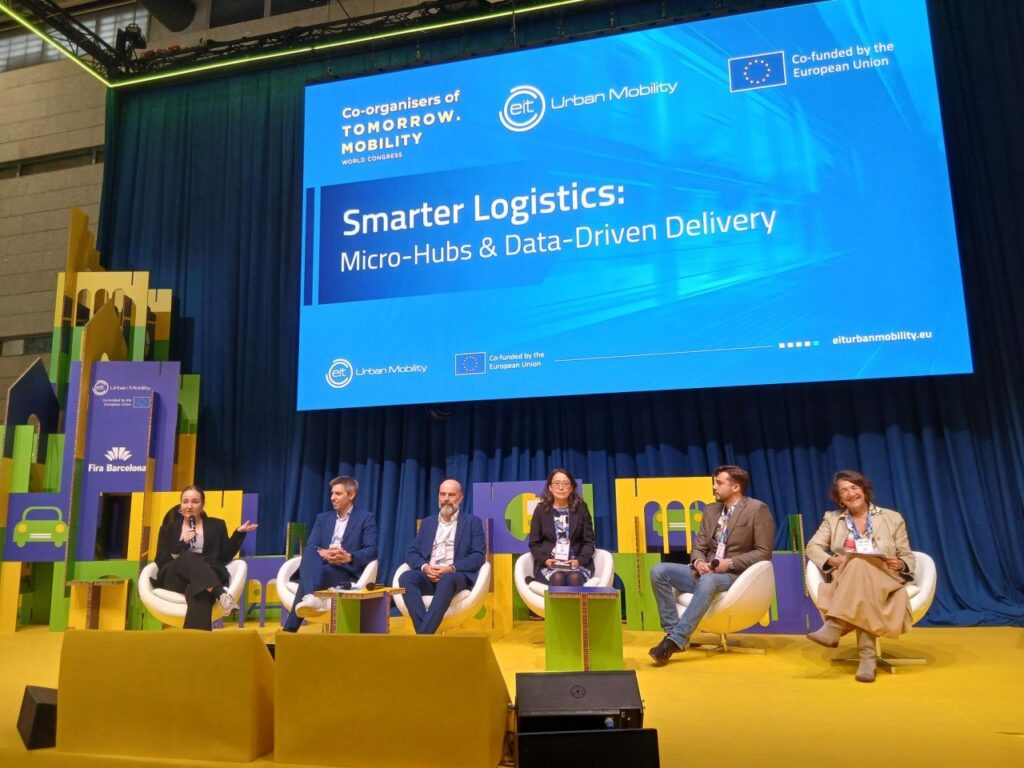
Yanying contributed to the following session:
The session explored how real-time vehicle data, micro-hubs, and the emerging Physical Internet can improve efficiency, reduce emissions, and reshape last-mile logistics in cities worldwide.
Insights and key messages
The panel presented various micro-hubs and connected fleets, and the way they offered smarter, cleaner solutions by enabling multimodal delivery and data-driven operations. The discussions highlighted the need for improved data collection as well as collaboration between all stakeholders in the field, with public authorities having a potential role as facilitators. The key challenge was identified as the need to maximise data utility to align mutual interests in a cost-effective manner. It ended on the need for standardisation across the board, from data formats to delivery methods, a key element of the Physical Internet that is central to ALICE’s mission.
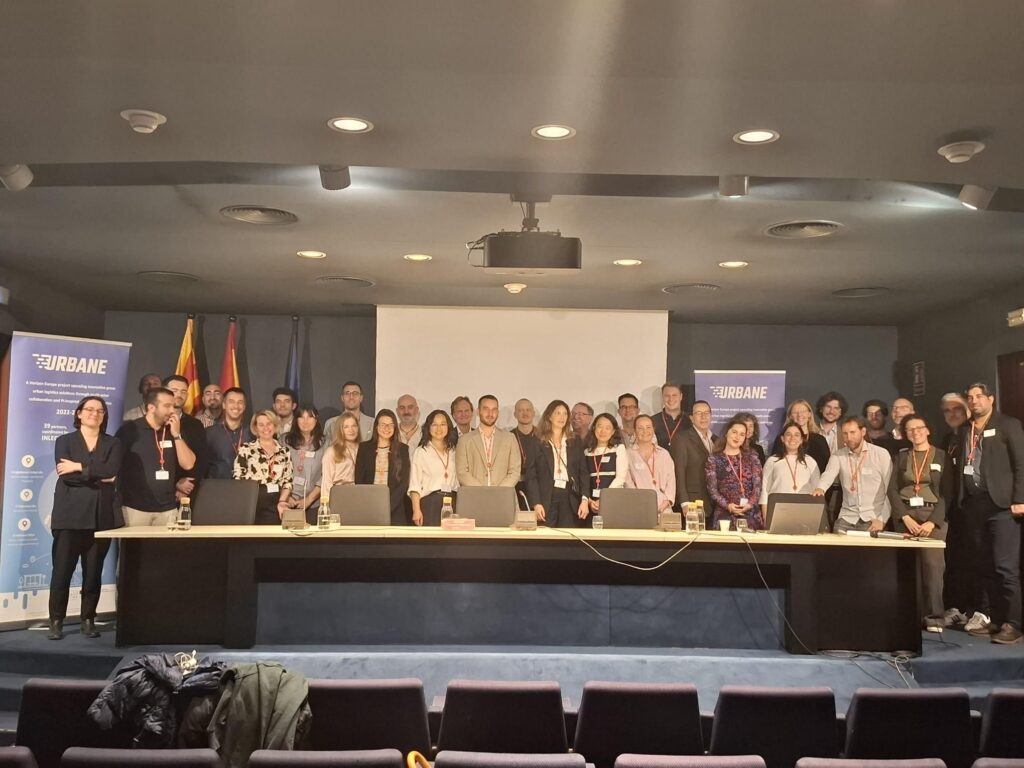
From 6 to 7 November 2025, ALICE was present for the Urban Logistics Innovation Day (URBANE final event) and the project’s General Assembly. These events showcased the project’s methodologies, innovations, takeaways, and plans for transferability, with the objective of bringing together key stakeholders and partners to exchange ideas, showcase progress, and explore future collaboration opportunities around innovation in urban logistics and their implementations and impacts.
ALICE was represented by Yanying Li (Head of Programmes and Knowledge Management) and Pierre Roberts (Project Support).
Yanying contributed to the following sessions by moderating:
Insights and key messages
These two days provided an insight into the successful implementation of the URBANE project over its 3.5 year span. It highlighted how its innovations in the four lighthouse living lab and twinning cities showed successful uptake within them. These discussions showed how the new technologies developed for the project (automated vehicles, blockchain technology, smart contracts, and digital twins) provided cities with unique, tailor-made solutions which reduced emissions while providing more transparency, trust between different logistics service providers, and data to be presented to the city decision-makers.
These solutions were also presented as transferrable through their potential adoption in URBANE’s follower cities through presentations on exploitation and scaling opportunities. Lastly, the broader scale of adoption in the long term was showcased through a presentation on the project’s policy package and adoption roadmap, highlighting the project’s commitment with providing cities of the future with a robust and standardised business plan for sustainable and efficient urban logistics.