Tuesday, October 20th, 2026
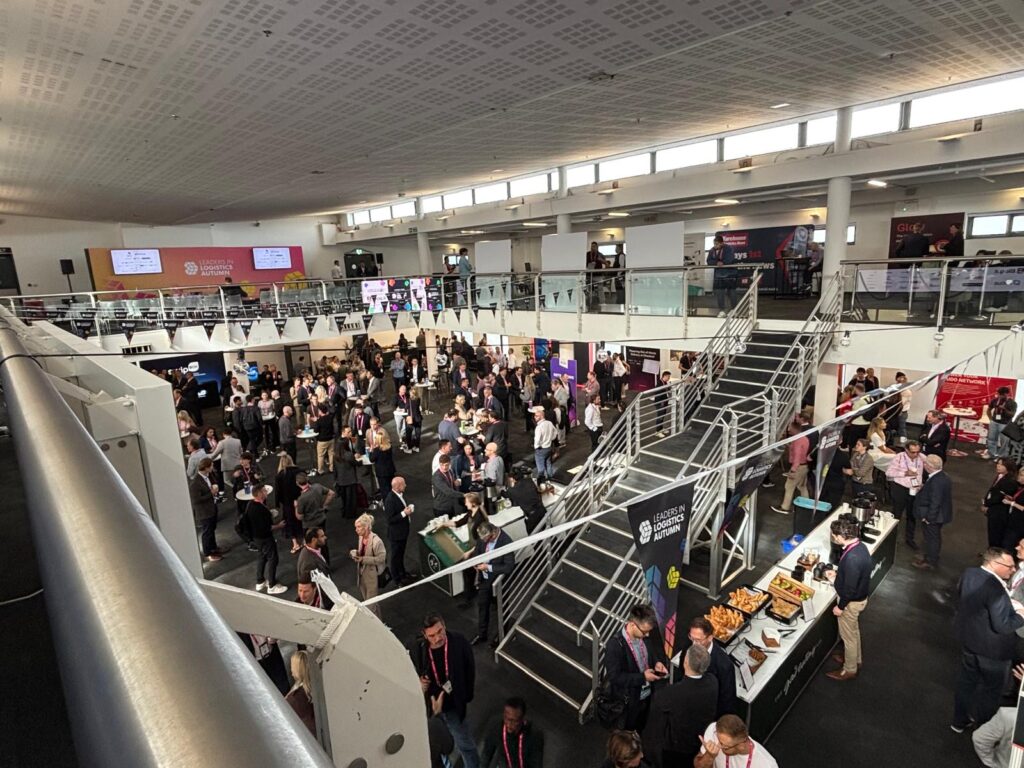
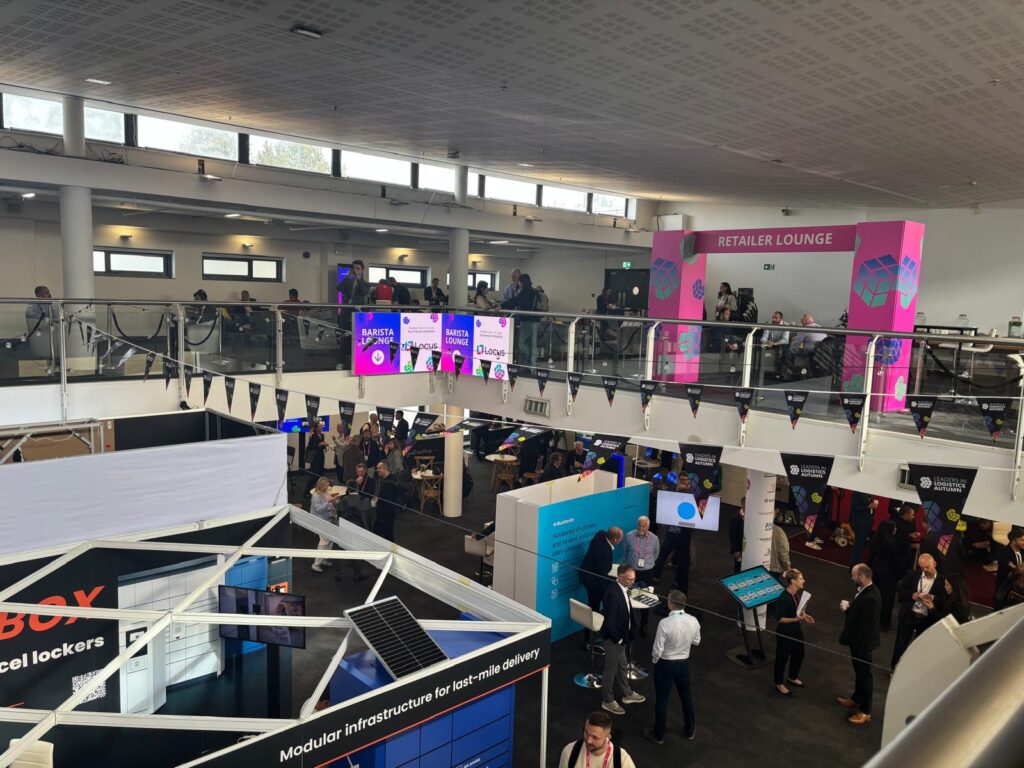
ALICE participated in Leaders in Logistics: Autumn 2026, held on 6-7 October in London, bringing together retailers, e-commerce businesses, carriers, logistics service providers and technology companies to discuss the challenges and opportunities shaping European logistics operations.
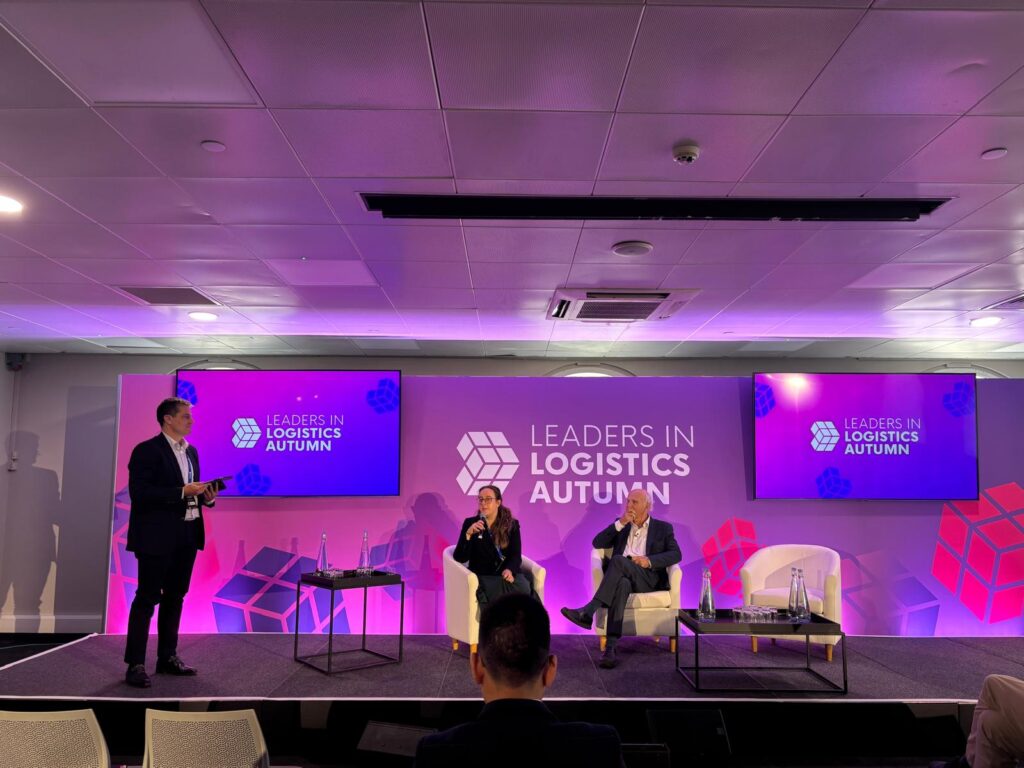
Fernando Liesa, Secretary General of ALICE, chaired the “Mastering the Middle Mile” programme on 6 October, which examined how logistics networks can respond to increasing volatility, changing customer demand, technological developments and the transition towards zero-emission freight transport.
The programme began with presentations from Innovate UK on zero-emission heavy goods vehicles and charging infrastructure, followed by discussions with AUTODOC and Allegro on network resilience and operational flexibility.
The “Mastering the Middle Mile” programme also addressed the practical challenges of transitioning towards zero-emission freight transport, drawing on experiences from the UK’s Zero Emission HGV & Infrastructure Demonstrator programme and the eFREIGHT 2030 initiative.
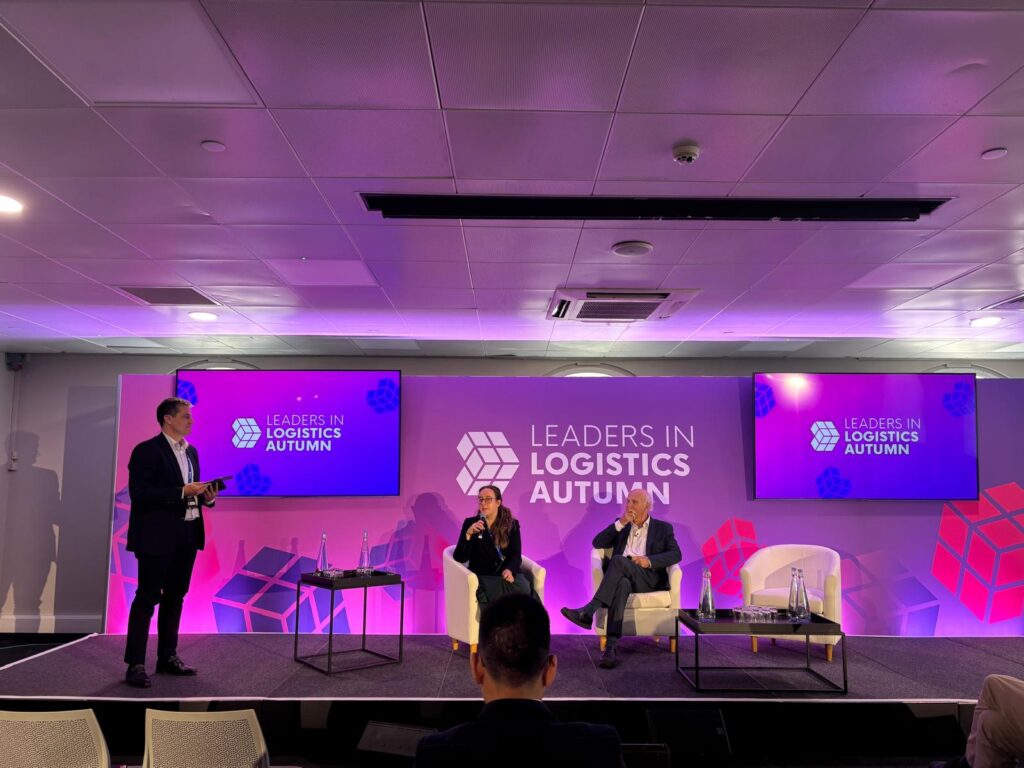
Dr Isabella Panovic, Programme Manager at Innovate UK, presented “Progress in Zero Emission HGVs & Infrastructure Deployment: Real World Learnings”, sharing insights from the UK’s £200 million programme supporting the deployment of zero-emission heavy goods vehicles and associated infrastructure.
The presentation demonstrated how the sector is progressing beyond small-scale trials towards commercial operations. According to the figures shared, more than 200 zero-emission HGVs had been deployed, with a target of 300 by the end of 2026. The programme had also supported more than 85,000 completed trips and approximately 550,000 tonnes of freight transported, while working towards the deployment of over 70 charging and refuelling locations.
These activities are generating operational evidence on vehicle performance, range, payload, total cost of ownership and infrastructure requirements, helping operators understand where electrification is already viable and where further development is needed.
One example was the Nissan Sunderland charging site, where shared infrastructure supports several operators involved in vehicle transportation and just-in-time manufacturing deliveries. The experience demonstrated how shared charging facilities can support infrastructure utilisation and provide opportunities for different logistics operators to participate in the transition.
The presentation also highlighted a 1,700 km round-trip demonstration between East Midlands Gateway and Germany, undertaken within the eFREIGHT 2030 project using a combination of depot and public charging. This illustrated how appropriate infrastructure and route planning can extend the operational reach of electric heavy goods vehicles beyond their individual battery range.
However, significant challenges remain. Grid connections, planning permissions, infrastructure commissioning, electricity prices and vehicle acquisition costs continue to influence the commercial viability of electric freight operations. The availability of charging infrastructure is particularly important for smaller operators that may lack the resources to invest in dedicated facilities.
The wider conference also featured Sir Vince Cable, Chair of eFREIGHT 2030, who discussed the importance of bringing together fleet operators, vehicle manufacturers, technology providers and infrastructure developers to accelerate commercial adoption.
His presentation highlighted how the transition requires coordinated investment across the transport and energy sectors. Fleet operators need confidence that charging infrastructure will be available, while infrastructure providers and vehicle manufacturers require sufficient demand to justify investment.
The eFREIGHT 2030 consortium provides an example of how collaboration between different organisations, including competing logistics operators, can help overcome these barriers and support the development of commercially viable solutions.
For ALICE, these experiences reinforce the importance of addressing freight electrification as a system-level transformation, rather than focusing on vehicles or charging technologies individually. Successful deployment depends on infrastructure planning, energy availability, operational coordination, data sharing and business models that enable companies of different sizes to participate.
Fernando moderated the panel “Resilience by Design: Building Flexibility into Network Operations”, featuring Sebastian Bleser, Senior Vice President, Supply Chain at AUTODOC, and Łukasz Sierant, Senior Manager, Group Middle Mile Transportation at Allegro.
The discussion examined how disruptions expose vulnerabilities in middle-mile networks and why resilience needs to be considered during network design rather than introduced only after problems arise.
A central message was that middle-mile operations are increasingly exposed to volatility, requiring companies to improve visibility over transport assets, available resources and network capacity. Designing more adaptable networks allows operators to respond to disruptions while making better use of existing infrastructure and maintaining control over operational costs.
The speakers also emphasised the importance of stronger coordination with carriers and suppliers. Reliable information exchange and closer collaboration can improve access to transport capacity and provide additional flexibility when operating conditions change.
Importantly, disruptions do not affect transport networks alone. They can also influence customer demand, creating unexpected peaks that place additional pressure on fulfilment and distribution operations. One example discussed was the effect of unusually heavy snowfall on demand for winter tyres. Even when forecasting systems perform well under normal conditions, unexpected weather events can generate sudden increases in orders, requiring companies to adjust transport capacity and operational planning.
This demonstrates that logistics resilience depends not only on anticipating disruption but also on maintaining the flexibility to respond when actual demand differs from forecasts.
The panel also explored how artificial intelligence and automation are supporting transport management. Participants described applications ranging from process analysis and operational optimisation to the automated allocation of shipments to carriers and suppliers. These tools can reduce manual coordination and support faster operational decisions, although their effectiveness depends on reliable data, visibility across the network and the ability to coordinate resources between organisations.
Beyond middle-mile resilience and electrification, the conference explored how e-commerce delivery models are evolving in response to customer expectations, growing parcel volumes and pressure to improve operational efficiency. Three sessions attended by ALICE representative Marion Cottet examined the role of checkout decisions, parcel lockers and new logistics business models in shaping more efficient delivery networks.
How checkout decisions influence last-mile efficiency
The panel “Stop blaming the carrier: the checkout decisions shaping last mile margins” brought together Amit Somani (Wayfair), Sam Jarvis (Hubbox) and Oksana Dambrauskaite (Decathlon) to discuss how delivery options presented at checkout influence customer behaviour, operational costs and service performance.
The speakers highlighted that offering faster delivery is not always the most effective strategy. Customers increasingly value reliable services, convenient delivery windows and clear choices adapted to their needs. Decathlon shared that introducing DPD pick-up points increased its checkout conversion rate by five percentage points, demonstrating how out-of-home options can improve both customer experience and commercial performance.
The discussion also addressed the importance of understanding the full cost of delivery, including failed attempts, customer service enquiries and operational inefficiencies. While out-of-home delivery can reduce these costs, its adoption depends on convenient locations, sufficient network density and effective integration into retailers’ checkout systems.
Parcel lockers as strategic logistics infrastructure
In “The rise of Smart Lockers: from passive to active network asset”, Miha Jagodic, Co-founder and CEO of Bloq.it, examined the rapid development of out-of-home delivery networks and their growing importance for e-commerce logistics.
The presentation highlighted significant differences in parcel locker adoption across European markets, with countries such as Poland, Estonia and Finland demonstrating more mature out-of-home delivery networks. As parcel volumes continue to grow, lockers and collection points offer opportunities to consolidate deliveries, improve route efficiency and reduce dependence on individual home deliveries.
Jagodic also discussed the evolution of locker networks from individual delivery facilities towards strategic infrastructure assets. Questions around network accessibility, capacity, interoperability and the balance between open and closed networks will become increasingly relevant as the sector develops.
The Vinted Go approach to efficient and interconnected delivery networks
The session “From second-hand market to major carrier: the Vinted Go story”, featuring Vytautas Atkocaitis, CEO of Vinted Go, presented an alternative approach to parcel delivery based on operational efficiency, automation and network optimisation.
Vinted Go’s model places particular emphasis on parcel lockers, high asset utilisation, route density and simplified operations. The discussion highlighted how logistics can become a strategic component of an e-commerce marketplace, supporting customer satisfaction and business growth rather than functioning solely as a delivery service.
Cross-border fragmentation was another important theme. Differences in national carrier networks, pricing structures and operational processes continue to create inefficiencies in European parcel delivery. Improving network integration and reducing these barriers could support more scalable and competitive logistics services.
Together, these discussions demonstrated how customer choice, delivery infrastructure and network design are increasingly interconnected. They are particularly relevant to the GreenTurn project, which explores how consumer behaviour and delivery preferences can contribute to more sustainable e-commerce logistics. Better understanding these relationships can help identify opportunities to improve delivery efficiency while maintaining convenience and service quality.
The discussions at Leaders in Logistics Autumn 2026 reinforced several priorities addressed through ALICE’s research and innovation activities.
The IKIGAI project explores how Physical Internet principles can support more interconnected, collaborative and synchromodal logistics operations. Through urban logistics living labs, the project investigates how shared infrastructure, interoperable data and coordinated transport resources can improve the organisation of freight flows. These activities connect with the conference’s emphasis on visibility, flexible network design and more efficient use of existing transport capacity.
Shift2Zero addresses the transition towards zero-emission logistics, contributing to the development and demonstration of solutions that support cleaner freight operations. Its focus is particularly relevant to the practical challenges highlighted by Innovate UK and eFREIGHT 2030, including infrastructure readiness, operational planning and the conditions needed to scale zero-emission transport.
The ZEFES project focuses on demonstrating zero-emission heavy-duty vehicles in real-world freight operations, addressing vehicle technologies, charging and refuelling infrastructure, and operational requirements. Its activities are particularly relevant to the challenges highlighted by Innovate UK and eFREIGHT 2030, including infrastructure readiness, long-distance operations and the practical conditions needed to scale zero-emission freight transport.
GreenTurn examines how e-commerce logistics can become more sustainable by better understanding consumer behaviour and delivery preferences. The discussions on checkout decisions, out-of-home delivery and parcel locker networks are particularly relevant to the project’s objectives, highlighting how delivery choices, convenience and consumer expectations can influence logistics efficiency and environmental performance. The experiences shared by Decathlon, Hubbox, Bloq.it and Vinted Go provide practical industry perspectives on the relationship between customer behaviour and more sustainable delivery models.
Together, these initiatives illustrate how European research and innovation can contribute to the practical challenges faced by retailers, carriers and logistics service providers, connecting technological development with operational needs and opportunities for wider implementation.
For ALICE, the central message from the conference was that resilience, efficiency and sustainability have several interdependencies and need to be addressed together. Increasing capacity or introducing individual technologies will not be sufficient if logistics networks remain fragmented or unable to adapt to changing conditions.
Building more competitive and resilient logistics systems requires interoperability, collaboration, digitalisation and network-level coordination, enabling organisations to use available resources more effectively and scale innovation beyond individual operations.
Through Fernando Liesa’s participation, ALICE contributed to the dialogue between industry and innovation stakeholders on how to design logistics networks that are more flexible, sustainable and resilient from the outset.